- Home/
- Buy Seroquel at Low Price Online in the United States
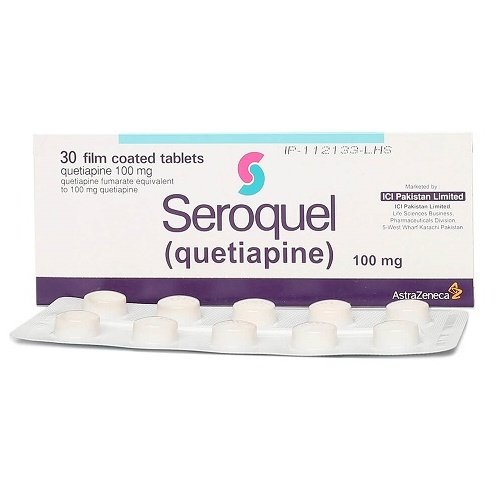
Seroquel (Quetiapine) in the United States: The Most Detailed Guide for Patients
Can I Get Seroquel Without a Prescription in the United States?
No, it is illegal to obtain Seroquel (Quetiapine) without a valid prescription from a licensed medical provider in the United States. Seroquel is a prescription-only medication regulated by the U.S. Food and Drug Administration (FDA). Pharmacies (retail and online) require a doctor’s prescription, and selling or purchasing Seroquel without one is both unsafe and against federal law. This protects patients from counterfeit medicines and serious health risks.
Summary: Key Facts About Seroquel
- Active Ingredient: Quetiapine fumarate
- Main Use: Treatment of schizophrenia, bipolar disorder, and major depressive disorder as adjunct therapy
- Prescription Status: Prescription required in all states (United States)
- Available Forms: Immediate-release and extended-release tablets (various strengths)
- Onset of Action: Typically within 1–2 hours (immediate-release); steady-state achieved in days
- Most Common Side Effects: Drowsiness, dry mouth, dizziness, weight gain
- Major Contraindication: Known allergy to quetiapine or risk of severe arrhythmia
- Insurance Coverage: Most commercial plans and Medicaid/Medicare Part D cover generics; copays vary
- Price Range (2026): $12–$80 per month for generic (varies by dose, pharmacy, and insurance)
- Legal Online Purchase? Only through licensed U.S. pharmacies with a valid prescription
How Does Seroquel Work in the Brain?
Seroquel’s active ingredient, quetiapine, is an atypical antipsychotic. Its primary action is on brain receptors, where it blocks dopamine D2 receptors and serotonin 5-HT2A receptors. This dual action is central to its effect in reducing psychotic symptoms (like hallucinations or delusions), mood swings, and certain depressive symptoms.
Unlike older antipsychotics, quetiapine has a broader receptor profile. It also shows moderate or weak antagonism at histamine H1, adrenergic alpha-1, and muscarinic receptors. That’s why drowsiness and dry mouth are so common—they’re linked to histamine and cholinergic blockade, respectively.
To put it simply: Imagine Seroquel as a “traffic controller” for key brain chemicals. When dopamine and serotonin signals are overactive or unbalanced, Seroquel acts as a filter, blocking some signals and restoring a healthier rhythm. This helps stabilize mood, reduce agitation, and manage symptoms of schizophrenia and bipolar disorder. However, the full therapeutic effect often develops over several days to weeks.
Recent studies (2023–2024) have confirmed the importance of quetiapine’s metabolite, norquetiapine, which contributes to the antidepressant effect by inhibiting norepinephrine reuptake. This may explain why Seroquel is sometimes used as an adjunct for major depressive disorder. (For more, see FDA and PubMed references below.)
Expert Commentary from doctor
One of the biggest surprises for new Seroquel users is just how sedating it can be, especially at low doses. In my practice, patients sometimes expect immediate relief from mood symptoms, but instead find themselves overwhelmingly sleepy. It’s crucial to start low—often 25–50 mg at bedtime for sleep or mood complaints—and titrate up only under supervision. Abruptly stopping Seroquel is another pitfall; withdrawal insomnia, anxiety, or even rebound psychosis can occur. I always tell patients: consistency is key, and never adjust your dose without talking to your prescriber. Also, don’t underestimate metabolic side effects—routine weight, blood sugar, and lipid checks are a must. Seroquel can be a highly effective tool, but only as part of a comprehensive care plan.
How Should Seroquel Be Taken? Dosage and Instructions
- Standard Dosage for Schizophrenia (Adults):
- Start with 25 mg twice daily; increase by 25–50 mg twice daily on day 2–3 as tolerated. Usual effective dose: 300–400 mg daily in divided doses. Maximum dose: 800 mg per day.
- For Bipolar Mania:
- Start 50 mg twice daily; titrate up to 200 mg twice daily by day 4; maintenance: 400–800 mg per day.
- For Bipolar Depression:
- Start with 50 mg at bedtime; target: 300 mg at bedtime by day 4. Do not exceed 300 mg daily unless directed by your doctor.
- Major Depressive Disorder (Adjunct):
- Start with 50 mg at bedtime; increase to 150–300 mg as needed.
- Elderly Patients:
- Start lower—12.5–25 mg at bedtime; titrate slowly due to higher risk of hypotension and sedation.
- Renal or Hepatic Impairment:
- Use with caution; start at the lowest possible dose and titrate very slowly.
- Can the Tablet Be Split?
- Immediate-release tablets may be split (if scored); extended-release tablets must not be split or chewed (risk of dose dump).
- Peak Effect:
- Immediate-release: 1.5 hours (range: 1–4 hours). Extended-release: 6 hours (range: 3–8 hours). Steady state in about 2 days.
- Duration of Effect:
- Typically 6–12 hours depending on formulation; requires regular dosing for sustained effect.
Always follow your doctor’s instructions. Never exceed the maximum recommended dose. If you miss a dose, take it as soon as remembered, unless it’s close to your next scheduled dose—then skip the missed dose. Never double up.
How Does Food, Alcohol, and Lifestyle Affect Seroquel?
- Food: Taking Seroquel with or without food is generally acceptable, but high-fat meals can increase absorption of the extended-release version by up to 50%. For consistent results, take extended-release Seroquel at the same time each day, ideally without a heavy meal.
- Alcohol: Strictly avoid alcohol while on Seroquel. Alcohol adds to the sedative effect, can worsen drowsiness, and increases risk of falls, confusion, and overdose. Even small amounts (1–2 drinks) can amplify side effects.
- Grapefruit Juice: Not recommended. Grapefruit inhibits CYP3A4 enzymes, which can raise Seroquel levels and cause toxicity, including increased sedation or abnormal heart rhythms.
- Other Drugs: Caution with other central nervous system depressants (opioids, benzodiazepines, sleep aids). Always inform your doctor of all medicines and supplements.
- Driving/Operating Machinery: Seroquel can impair alertness; avoid driving until you know how it affects you.
Myth vs Reality: Myth: Seroquel’s side effects only show up at high doses. Reality: Drowsiness and coordination problems can occur at the lowest doses, especially in sensitive or older adults.
Who Should Never Take Seroquel? Contraindications Explained
Absolute Contraindications (Never Use):
- Known hypersensitivity or allergy to quetiapine or any Seroquel ingredient
- Concurrent use of strong CYP3A4 inhibitors (e.g., ketoconazole, ritonavir) without dose adjustment
- Severe uncontrolled cardiovascular disease (recent heart attack, unstable angina, decompensated heart failure)
- History of neuroleptic malignant syndrome from antipsychotics
- Prolonged QT interval (diagnosed arrhythmia at baseline)
Relative Contraindications (Use with Caution):
- Elderly with dementia-related psychosis (risk of increased mortality, FDA black box warning)
- History of diabetes or prediabetes (risk of blood sugar elevation)
- Obesity and metabolic syndrome
- Liver or kidney impairment (dose adjustment required)
- History of seizures or epilepsy
- Pregnancy and breastfeeding (use only if benefits outweigh risks; consult your physician)
- Concurrent use of other medications that prolong QT interval (e.g., certain antibiotics, antiarrhythmics)
After serious cardiac events (e.g., heart attack), Seroquel may be considered only after thorough evaluation by a cardiologist and psychiatrist. The risk of arrhythmia or sudden cardiac death is higher in the weeks following such events.
What Side Effects Are Most Common with Seroquel?
| Frequency | Side Effect | Explanation / Action |
|---|---|---|
| Very common (>1 in 10) | Drowsiness / sedation, dry mouth, dizziness, weight gain | Linked to antihistamine/cholinergic effects; monitor weight and sugars |
| Common (1 in 100 to 1 in 10) | Constipation, orthostatic hypotension (blood pressure drops on standing), increased cholesterol/triglycerides, increased blood sugar, abnormal dreams | Advise slow positional changes, baseline and follow-up blood tests |
| Uncommon (1 in 1,000 to 1 in 100) | Seizures, abnormal heart rhythms (QT prolongation), elevated liver enzymes, difficulty urinating | Report fainting, palpitations, or severe fatigue immediately |
| Rare (<1 in 1,000) | Priapism (painful, persistent erection), severe allergic reactions (rash, swelling), neuroleptic malignant syndrome (rigidity, confusion, fever) | Seek emergency care right away |
- If you experience severe drowsiness, sudden rash, palpitations, or muscle stiffness, stop Seroquel and contact your physician or emergency services immediately.
- Regular monitoring (weight, blood sugar, cholesterol, liver enzymes, heart ECG) is recommended every 6–12 months, or as directed.
- Children and adolescents may experience increased restlessness, agitation, or rare suicidal thoughts—report behavioral changes promptly.
Bottom line: Most side effects are manageable, but rare serious reactions require urgent medical attention.
Common Patient Mistakes Observed by doctor
- Stopping Seroquel Suddenly: Many patients stop taking Seroquel abruptly due to drowsiness or feeling “better.” This often causes withdrawal symptoms—insomnia, anxiety, or rebound psychosis. Always taper with your doctor’s guidance.
- Doubling Up on Missed Doses: To “catch up,” patients sometimes take two doses at once. This increases the risk of side effects such as severe sedation, low blood pressure, or even fainting. If you miss a dose, just skip it and take the next as scheduled.
- Combining with Alcohol or Recreational Drugs: Even one drink can boost sedation and confusion, especially in older adults. Some recreational drugs may dangerously interact—always ask before combining substances.
- Taking With Grapefruit Juice or Supplements: Grapefruit juice and some herbal supplements (like St. John’s wort) can dangerously alter drug levels. Avoid these unless your doctor says otherwise.
- Failure to Monitor Weight and Labs: Patients sometimes ignore blood tests or weight checks, missing early signs of diabetes or high cholesterol. Follow the recommended monitoring schedule.
- Using Seroquel Only for Sleep (Without Psychiatric Indication): Seroquel is sometimes misused as a sleep aid—this is not recommended without clear psychiatric need and medical supervision.
To avoid these pitfalls, maintain regular follow-up visits, keep a medication diary, and discuss all new symptoms or concerns with your healthcare provider.
How Does Seroquel Compare with Other Mental Health Medications?
| Medication | Main Uses | Onset Speed | Duration | Most Common Side Effects | Estimated Monthly Cost (2026, USD) |
|---|---|---|---|---|---|
| Seroquel (Quetiapine) | Schizophrenia, Bipolar, Adjunct for Depression | 1–2 hours | 6–12 hours (IR); 24 hours (XR) | Drowsiness, weight gain, metabolic changes | $12–$80 (generic), $250+ (brand) |
| Risperdal (Risperidone) | Schizophrenia, Bipolar, Irritability in Autism | 1 hour | 20–24 hours | Extrapyramidal symptoms, lactation, weight gain | $9–$65 (generic), $230+ (brand) |
| Abilify (Aripiprazole) | Schizophrenia, Bipolar, Adjunct for Depression | 3–5 hours | 75 hours | Akathisia, insomnia, less weight gain | $25–$100 (generic), $700+ (brand) |
| Zyprexa (Olanzapine) | Schizophrenia, Bipolar | 6 hours | 30–40 hours | Weight gain, metabolic syndrome, sedation | $15–$100 (generic), $400+ (brand) |
- Seroquel is often preferred when sedation is desirable, or when mood stabilization is needed without severe movement-related side effects.
- Abilify has a lower risk of weight/metabolic issues but may cause restlessness. Risperdal can increase prolactin, causing hormonal symptoms.
- Insurance and out-of-pocket costs can vary; generics are almost always covered but confirm with your pharmacy or insurer.
Questions Frequently Asked to doctor
- Is Seroquel addictive? Will I need to take it forever?
- Seroquel is not considered “addictive” in the traditional sense, but you can develop physical dependence. For many, it’s a long-term medication, but duration depends on your diagnosis and response. Never stop suddenly—always taper under supervision.
- What happens if I accidentally miss a dose?
- If you miss a dose, take it as soon as you remember—unless it’s close to your next dose. In that case, skip the missed dose and resume your regular schedule. Do not double up.
- Can I drink alcohol while taking Seroquel?
- This is not recommended. Alcohol can significantly increase sedation and risk of accidents. Always ask your doctor before consuming any alcohol.
- Are there serious interactions I should watch for?
- Yes—avoid grapefruit juice, strong CYP3A4 inhibitors (certain antifungals, antibiotics, HIV medicines), and other sedating drugs. Always provide your doctor with a complete list of medications and supplements.
- How often do I need blood tests?
- Typically at baseline, then every 3–12 months. Tests include weight, blood sugar, cholesterol, and sometimes ECG. Frequency depends on your health risks and age.
- Is Seroquel safe in older adults?
- Use with caution, especially for those with dementia-related psychosis—risk of death is increased, per FDA warning. Doses should be lower, and monitoring more frequent.
- Can Seroquel be used in children or teens?
- Seroquel is FDA-approved for certain pediatric uses, but only under specialist supervision. Behavioral side effects and weight gain may be more pronounced in youth.
Seroquel: Key Characteristics Table
| Parameter | Value |
|---|---|
| Active Ingredient | Quetiapine fumarate |
| Tablet Strengths | 25, 50, 100, 200, 300, 400 mg (IR); 50, 150, 200, 300, 400 mg (XR) |
| Onset of Action | 1–2 hours (IR), 3–6 hours (XR) |
| Peak Blood Concentration | 1.5 hours (IR), 6 hours (XR) |
| Half-Life (T1/2) | ~6 hours (IR), 7 hours (XR) |
| Metabolism | Liver (CYP3A4) |
| Excretion | Urine (~73%), feces (~20%) |
| FDA Black Box Warning | Increased mortality in elderly with dementia-related psychosis; suicidal thoughts in youth/young adults |
| Insurance Coverage (2026) | Most plans and Medicaid/Medicare Part D (generic) |
| Prescription Required? | Yes (all U.S. states) |
How Do I Obtain Seroquel Legally in the United States? Step-by-Step Guide
- Consultation: Schedule a visit with a licensed mental health provider (psychiatrist, primary care physician, or psychiatric nurse practitioner). Telehealth appointments are legal and common in most states.
- Evaluation: You’ll discuss your symptoms, medications, and medical history. Diagnostic questionnaires may be used for depression, bipolar disorder, or psychosis.
- Prescription: If Seroquel is appropriate, your provider will send an electronic prescription to your chosen pharmacy (retail or online, including major chains like CVS, Walgreens, Rite Aid, or licensed mail-order pharmacies).
- Pharmacy Fulfillment: Pick up your medication in person (bring ID/insurance), or request home delivery from a licensed U.S. online pharmacy. Always check for NABP’s .pharmacy verification or LegitScript approval.
- Insurance Processing: Most insurance plans (including Medicare Part D and Medicaid) cover generic Seroquel with a small copay. Confirm coverage and pharmacy network before filling.
- Follow-up: Schedule regular follow-up appointments to monitor response, side effects, and necessary lab work.
Never attempt to import Seroquel from foreign websites or purchase without a prescription—this is illegal, unsafe, and risks counterfeit drugs or customs seizure.
Is It Legal to Purchase Seroquel Online in the United States?
Yes, but only from licensed U.S. pharmacies and only with a prescription. The FDA and DEA strictly regulate controlled and prescription medications. U.S.-based online pharmacies must display verification seals (NABP’s .pharmacy logo or LegitScript certification). Buying from unverified online sources or overseas “pharmacies” risks counterfeit products, financial fraud, and legal penalties.
- Patient Protection: The prescription system ensures you get the correct dose, monitoring for side effects, and genuine medication. It is not “just red tape.”
- Red Flag: Any website offering Seroquel “without prescription” or “no questions asked” is illegal, unsafe, and likely to sell counterfeits.
In summary: Only trust U.S. pharmacies with clear verification and always require a prescription.
How to Recognize Genuine vs Counterfeit Seroquel
Counterfeit Seroquel is a serious risk—especially from unverified online sellers. Genuine Seroquel and FDA-approved generics in the United States share these features:
- Packaging: Blister packs or pharmacy bottles with clear labeling, including manufacturer (e.g., AstraZeneca or generic company), NDC number, and dispensing pharmacy information.
- Pill Appearance: Each strength has a unique color, shape, and imprint code (e.g., “SEROQUEL 100”). Extended-release tablets are often large and may be marked “XR.”
- Security Features: Some packaging includes QR codes, holograms, or tamper-evident seals. U.S. pharmacies may print barcodes/verification codes on the label.
- Price: “Deals” far below normal U.S. pharmacy prices are suspicious. If it seems too good to be true, it probably is.
- Pharmacy Label: U.S. law requires a prescription label with your name, dose, and pharmacy contact information.
Generics: FDA-approved generics must meet strict quality criteria. They may look different (color/shape/imprint) but will have the same active ingredient and strength. Inactive ingredients (excipients) may vary; rare allergies are possible—tell your provider if you have known sensitivities.
If you have any doubt about your Seroquel, contact your pharmacist or provider immediately.
Compatibility Checklist: Seroquel with Other Medicines and Substances
| Product/Drug | Can It Be Combined? | Consequences / Notes |
|---|---|---|
| Acetaminophen (Tylenol) | Yes | No significant interaction |
| Ibuprofen | Yes (with caution) | Monitor for stomach upset; rare interaction |
| SSRIs (e.g., sertraline) | Yes (doctor supervision) | May increase sedative effect; monitor for serotonin syndrome |
| Benzodiazepines (e.g., lorazepam) | With caution | Increased sedation, fall risk |
| Opioids (e.g., oxycodone) | With caution | Dangerous sedation, respiratory risk |
| Alcohol | NO | Severe sedation, risk of overdose |
| Grapefruit Juice | NO | Increases Seroquel levels, toxicity risk |
| St. John’s Wort | NO | Can reduce Seroquel effectiveness |
| Antibiotics (e.g., clarithromycin) | With caution | May increase Seroquel blood levels |
Always provide your doctor and pharmacist with a complete list of all medicines, supplements, and herbal products.
What Should I Do in Case of Seroquel Overdose?
- Stop taking Seroquel immediately.
- Call 911 or your local emergency number in the United States right away.
- Provide information: approximate dose taken, time of ingestion, and other substances used.
- Do not attempt to induce vomiting unless instructed by poison control or medical professionals.
- If possible, bring the medication bottle or packaging to the hospital.
- Signs of overdose: Severe drowsiness, unconsciousness, rapid or irregular heartbeat, seizures, breathing difficulties.
- There is no specific antidote; treatment is supportive care in a hospital.
Special Considerations for Older Adults and Chronic Illnesses
- Elderly: Use the lowest possible dose. High risk of orthostatic hypotension, falls, and sedation. Black box warning for increased risk of death in dementia-related psychosis.
- Diabetes/Metabolic Syndrome: Seroquel may increase blood glucose and cholesterol. Frequent lab monitoring and diet/exercise counseling are essential.
- Liver/Kidney Impairment: Lower starting doses and slower titration are required. Seroquel is metabolized in the liver (CYP3A4 enzyme). Severe impairment requires specialist input.
- Pregnancy and Breastfeeding: Use only if potential benefit outweighs risk. Quetiapine is category C (risk not ruled out). Discuss family planning and contraception with your provider.
- Driving/Operating Machinery: Especially at the start of treatment, do not drive or operate heavy machinery until you know your response.
Patients with chronic physical illnesses should have their care coordinated between psychiatry, primary care, and any relevant specialists.
Seroquel Brand vs Generic: What’s the Difference?
Brand-name Seroquel (by AstraZeneca) and FDA-approved generics (by manufacturers such as Teva, Mylan, Sandoz) contain the same active ingredient—quetiapine fumarate—and must meet strict FDA bioequivalence standards. The main differences:
- Price: Generics cost significantly less (as little as $12/month vs. $250+ for brand, uninsured).
- Appearance: Generic tablets may differ in color, shape, or imprint, but must list the manufacturer and strength clearly.
- Excipients (Inactive Ingredients): Generics may use different fillers, dyes, or binders. Allergic reactions are rare but possible—discuss with your pharmacist if you have known sensitivities.
- Effectiveness: Numerous studies confirm equivalent effectiveness and safety between generics and brand Seroquel.
Bottom line: For most patients, generic quetiapine is a safe, effective, and cost-saving alternative to brand Seroquel.
What Should I Do if Seroquel Is Not Working?
- Ensure you’ve taken the medicine as prescribed (right dose, right time).
- Remember, full effect can take several days to weeks for mood and psychotic symptoms.
- Discuss with your provider—dose adjustment or a switch to an alternative may be needed.
- Never increase your dose on your own—risk of overdose and side effects is real.
- Consider additional support: therapy, social support, or lifestyle interventions may help.
Mental Health and Emotional Support
If you’re struggling with mental health symptoms, you’re not alone. Millions of people in the United States use medications like Seroquel every year. Remember: medication is just one part of recovery. Talk to your doctor, seek out therapy or support groups, and consider including your family or partner in your care plan. Mental health challenges are treatable, and help is available.
Quality Assurance: Verifying Your Seroquel
- Check that packaging displays the manufacturer’s name, NDC code, expiration date, and pharmacy label.
- Tablet appearance: Each dose is a unique color and shape, with a specific imprint code (see manufacturer’s site or ask your pharmacist).
- Look for tamper-evident seals and, if present, QR codes or holograms.
- Always fill prescriptions at licensed U.S. pharmacies—ask if you’re unsure.
If anything looks suspicious—misspelled labeling, unusual packaging, or extreme price differences—contact your pharmacist or report to the FDA MedWatch program.
Professional Opinion of doctor
In my clinical experience, Seroquel is most valuable for patients with complex mood and thought disorders, especially bipolar disorder with mixed or depressive episodes, or schizophrenia when sedation and mood stabilization are needed. For those with insomnia and anxiety alone, I typically explore alternatives first due to Seroquel’s metabolic risks. The benefit-risk balance is generally favorable when the medication is monitored carefully, dosing is individualized, and patients are educated about side effects and the need for regular labs. I often consider alternatives like aripiprazole or risperidone in patients at high risk for weight gain or diabetes. Ultimately, the decision to use Seroquel should be personalized—there’s no “one size fits all.” It’s essential to work closely with your mental health team and to never make medication changes without medical supervision. Seroquel can be a life-changing therapy for many, but it must be part of a comprehensive, well-monitored care plan.
Frequently Asked Questions (FAQ)
- Is Seroquel safe for long-term use?
- Yes, with regular monitoring for metabolic and cardiovascular side effects. Periodic lab tests and weight checks are recommended.
- Can Seroquel be used daily?
- Yes, it is designed for daily use as prescribed by your doctor. Do not skip doses or stop suddenly without consulting your provider.
- What is the average price of Seroquel in the U.S.?
- Generic quetiapine costs between $12 and $80 per month depending on dose, pharmacy, and insurance coverage.
- Can I get Seroquel delivered to my home?
- Yes, from licensed U.S. pharmacies with a valid prescription. Never buy from sites that do not require a prescription.
- What if I accidentally take too much Seroquel?
- Call 911 or seek emergency care immediately. Do not wait for symptoms to appear.
- How does Seroquel affect driving or operating machinery?
- It can cause drowsiness and impair coordination. Do not drive or operate heavy machinery until you know how it affects you.
- Are there withdrawal symptoms if I stop Seroquel?
- Yes—abrupt discontinuation can cause insomnia, anxiety, or return of psychiatric symptoms. Always taper under medical supervision.
- Can Seroquel help with sleep issues alone?
- Seroquel may cause sedation but should only be used for sleep if there is a clear medical indication. Discuss alternatives with your doctor.
Sources / References
- U.S. Food and Drug Administration (FDA): https://www.fda.gov/
- National Institutes of Health / PubMed (Latest Quetiapine Studies): https://pubmed.ncbi.nlm.nih.gov/
- Mayo Clinic Seroquel Drug Information: https://www.mayoclinic.org/drugs-supplements/quetiapine-oral-route/description/drg-20066912
- AstraZeneca Official Seroquel Information: https://www.astrazeneca.com/
- National Alliance on Mental Illness (NAMI) Quetiapine Overview: https://www.nami.org/About-Mental-Illness/Treatments/Mental-Health-Medications/Types-of-Medication/Quetiapine-(Seroquel)
- FDA MedWatch: https://www.fda.gov/Safety/MedWatch/
Final note: This guide is designed to help you make informed decisions and support your collaboration with your healthcare team. If you have any doubts or need personalized advice, always consult a qualified mental health specialist in the United States.