- Home/
- Buy Prednisolone in Online Pharmacy Across the United States
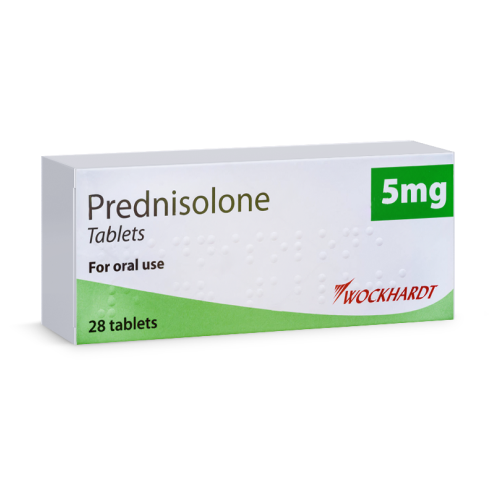
| Name of the medicine | Prednisolone |
|---|---|
| Main therapeutic use | Management of inflammation related to conditions such as allergies, autoimmune diseases, and certain types of arthritis |
| Core ingredient | Prednisolone |
| Dosage forms available | Tablets (1 mg, 5 mg, 10 mg, 20 mg, 50 mg), oral solution, eye drops, injectable formulations |
| How soon it begins to work | Usually within a few hours to a day (oral); topical forms may act faster for localized symptoms |
| Length of effect | About 12 to 36 hours, depending on formulation and individual response |
| Meal compatibility | Best taken with food to reduce stomach upset |
| Prescription requirement in US | Prescription-only medicine (as regulated by FDA) |
Prednisolone for inflammation: what to know before you buy in United States
Prednisolone is a prescription medication that helps control a range of inflammatory conditions, from severe allergies to autoimmune disorders. It is widely prescribed in the United States and is legally available through pharmacies with a valid doctor’s prescription. The following guide addresses essential questions about whether and how Prednisolone may be appropriate for your situation — and what to expect if you need it.
Inflammation: a widespread challenge — and you’re not alone
Inflammatory conditions, such as rheumatoid arthritis, asthma, and allergic reactions, impact millions of Americans each year. According to the Centers for Disease Control and Prevention (CDC), 2023, over 54 million adults in the United States live with some form of arthritis alone, many of which involve significant inflammation. Chronic and acute inflammation are common — and with proper treatment, most people experience significant improvement. Acknowledging that you are dealing with a real medical issue is the first step toward effective management. These conditions are not a sign of personal weakness or failure, but rather reflect complex immune or environmental factors that today’s medicine is well-equipped to address.
How Prednisolone interrupts inflammation — what you feel, and why it works
Prednisolone acts as a corticosteroid, mimicking hormones your body naturally produces in your adrenal glands. When inflammation occurs, your immune system releases substances that cause swelling, pain, and redness. Prednisolone dampens this immune response by blocking the release of these substances — particularly prostaglandins and leukotrienes — which are responsible for many symptoms of inflammation.
- Physiological effect: Prednisolone reduces the activity of immune cells and decreases the production of inflammatory chemicals.
- Practical result: Most people notice a lessening of swelling, pain, and discomfort within 24 hours of starting oral Prednisolone, though full effect may take a few days, depending on the condition.
In practical terms, this means that symptoms such as joint pain, airway swelling (as in asthma), or skin irritation improve as the body’s overactive immune response is brought back under control. The medication does not cure the underlying cause but makes symptoms manageable, allowing you to recover and function more normally.
Is Prednisolone the right option for you? — real-life selection scenarios
| Situation | Best option | Why |
|---|---|---|
| You have a sudden asthma flare, and past treatments haven’t worked | Short course of oral Prednisolone | Because it quickly reduces airway inflammation and can prevent hospitalization |
| You have a history of poorly controlled diabetes | Avoid or use only with close monitoring | Prednisolone can raise blood sugar levels; discuss alternatives or strict monitoring with your doctor |
| Long-term autoimmune disease with frequent flare-ups | Prednisolone may be part of combination therapy | Effective for controlling disease activity, but long-term use can increase side effect risks, so lowest effective dose is preferred |
| Minor allergic rash responding to antihistamines | Topical treatment or antihistamines alone | Prednisolone is not usually necessary unless symptoms are severe or persistent |
| You take multiple medications that affect the immune system | Consult your doctor before using Prednisolone | Risk of serious interactions and immune suppression |
In summary: Prednisolone is usually the right choice for moderate to severe inflammation when other approaches are insufficient, but there are situations where it is best avoided or monitored carefully. Your doctor’s input is crucial if you have complex health issues.
How to use Prednisolone in daily life — and what if things don’t go as planned?
- When and how to take: Prednisolone tablets are typically taken once daily in the morning, with food or milk to prevent stomach upset. Dosage and duration depend on your diagnosis and your physician’s plan. Oral solutions are used for those who have difficulty swallowing pills. Eye drops and topical forms are used for localized inflammation.
- If you miss a dose: Take it as soon as you remember, unless it’s almost time for your next dose. Do not double up. Missing several doses can trigger the return of symptoms or, after long-term use, risk withdrawal symptoms.
- If it doesn’t seem to work: For most inflammatory conditions, improvement is noticed within a day or two. If symptoms worsen or do not improve after several days, contact your prescribing physician. Adjustments or further investigations may be needed.
- What’s normal: Some mild side effects such as increased appetite or trouble sleeping can occur early and often improve with time or after completing the course.
- When to seek help: If you experience fever, confusion, severe weakness, or signs of infection, call your doctor promptly. For sudden breathing difficulty, swelling of the face or throat, or a severe allergic reaction, seek emergency help immediately via 911 in the United States.
Always follow your doctor’s instructions, as sudden stopping after long-term use can be dangerous due to adrenal suppression. If you are planning surgery or a vaccination, inform your healthcare team about Prednisolone use. Keep a list of all medications you take to review with your provider.
Contraindications: who should not take Prednisolone?
Prednisolone is not suitable for everyone. Its use may be contraindicated if you have certain conditions, mainly because of the risks associated with immune suppression or worsening of other diseases:
- Active, untreated infections — Prednisolone may allow infections to spread by weakening your body’s defense mechanisms.
- Systemic fungal infections — Because Prednisolone can worsen these infections due to suppressed immunity.
- Recent live vaccines — Using Prednisolone can blunt your immune response, making vaccinations less effective or riskier.
- Allergy to Prednisolone or similar steroids — Risk of allergic reaction.
- Uncontrolled hypertension or severe heart failure — Steroids can cause fluid retention, which may worsen these conditions.
If you have any of these conditions, your healthcare provider will likely consider other treatment options or extreme caution with monitoring.
Possible side effects: what’s common, what’s rare, and when to worry
- Frequent, usually mild: Increased appetite, mood changes (irritability, euphoria), difficulty sleeping, and mild stomach upset. These are more common with short courses and often resolve spontaneously.
- Occasional, seek advice: Weight gain, swelling (face, hands), increased blood pressure, acne, delayed wound healing, muscle weakness. These effects tend to develop with longer or higher doses.
- Rare, but serious (seek immediate medical attention): Sudden shortness of breath, chest pain, swelling of lips/tongue/throat, confusion, severe abdominal pain, black or bloody stools. If you experience these, call 911 or your local emergency number in the United States, as they may indicate a life-threatening reaction such as severe allergy or gastrointestinal bleeding.
Long-term use increases the risk for osteoporosis, eye problems (like cataracts or glaucoma), and higher blood sugar, especially if you have risk factors for these conditions. Always discuss the expected duration and dosage of Prednisolone with your doctor.
Medication interactions: what to watch out for if you’re taking other drugs
Prednisolone interacts with a wide range of medications. The most clinically important interactions include:
- Nonsteroidal anti-inflammatory drugs (NSAIDs): Such as ibuprofen or aspirin, may increase the risk of stomach ulcers or bleeding when used together with Prednisolone.
- Blood thinners (warfarin, etc.): Prednisolone can affect how these drugs work — doses may need adjustment and closer monitoring is required.
- Diabetes treatments: Prednisolone can raise blood sugar, so insulin or oral diabetes medications may need to be changed.
- Some antibiotics and antifungals: Certain medications can change how Prednisolone is broken down in the body, increasing or decreasing its effects.
- Other immunosuppressants: Taking Prednisolone with other immune-suppressing medicines increases the risk of infections and requires careful monitoring.
Always inform your healthcare provider and pharmacist about all the medicines and supplements you are taking before starting Prednisolone. Your doctor may recommend checking blood tests or adjusting doses for certain combinations.
Prednisolone compared to alternatives — is there a better option for inflammation?
- When Prednisolone is preferred: For moderate to severe inflammation, acute flare-ups, or when rapid, systemic control is needed, Prednisolone is highly effective according to clinical guidelines and is considered a first-line option by most US physicians.
- Alternatives: Milder cases may respond to NSAIDs (such as ibuprofen or naproxen), acetaminophen for pain with less inflammation, or antihistamines for allergic symptoms. For chronic autoimmune conditions, newer biologic agents (like TNF inhibitors) or disease-modifying antirheumatic drugs (DMARDs) may be used, but these are often more expensive and require specialist oversight.
- Limitations of Prednisolone: Long-term use carries higher risks of side effects such as bone loss and suppressed immunity. For patients needing extended treatment, the lowest effective dose is recommended, or alternatives may be preferable.
Prednisolone is rarely the only option. Each alternative has its own balance of effectiveness, side effect risk, convenience, and cost. Your doctor will match the medication to your specific need and medical history.
What you will actually pay: Prednisolone treatment costs in the United States
| Cost item | Amount (USD) | Note |
|---|---|---|
| Doctor consultation (in-person) | $100–$250 | Initial diagnosis and prescription |
| Telemedicine appointment | $40–$75 | Online visit for eligible conditions |
| Prescription cost | $10–$30 | Sometimes included in consultation fee |
| Prednisolone tablets (30-day supply, generic) | $4–$15 | Price varies by pharmacy and strength |
| Delivery (mail-order pharmacy) | $0–$15 | Standard shipping; many offer free delivery for generics |
| Total estimated cost | $44–$305 | Minimum for telemedicine + generic + free delivery; maximum for in-person, branded, paid delivery |
The most affordable route for many is a telehealth consultation, generic prescription, and home delivery, which brings the cost down significantly. Some insurance plans will cover all or part of these costs, but coverage varies. Always check if your plan includes Prednisolone and what copayments apply. Pharmacies in the United States require a valid prescription to dispense Prednisolone; online pharmacies offering it without one are not compliant with FDA regulations, though such sales do exist.
Last questions: can Prednisolone be stopped abruptly, and what if you need it again?
For short courses (less than two weeks), most people can stop Prednisolone without tapering. However, if you have taken corticosteroids for more than two weeks, or at a high dose, stopping suddenly can cause withdrawal symptoms such as fatigue, joint pain, or low blood pressure. Always follow your doctor’s instructions on how to reduce the dose gradually (“taper”) if needed. If your symptoms return after stopping, consult your provider before restarting — repeated courses should be supervised to avoid complications.