- Home/
- Buy Nolvadex Online in the United States – Fast Delivery Available
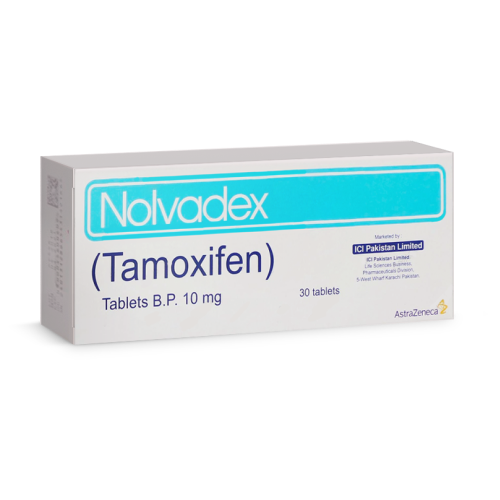
Is Nolvadex Available Without a Prescription in the United States?
No, Nolvadex (tamoxifen) is legally available in the United States only with a valid prescription from a licensed healthcare provider. Over-the-counter sales and non-prescribed online orders are prohibited by U.S. law.
Key Takeaways: What Every Patient Should Know About Nolvadex
- Nolvadex is most suitable for adults diagnosed with estrogen receptor-positive breast cancer, or for high-risk breast cancer prevention, as decided by a physician.
- Effects may take several weeks to months to become clinically apparent, especially for prevention or adjuvant therapy.
- The most important safety consideration is the risk of blood clots and endometrial changes, requiring regular monitoring.
- A prescription from a U.S. healthcare provider is always required to purchase Nolvadex from any pharmacy or online pharmacy in the United States.
- Nolvadex’s main benefit is its proven effectiveness in reducing breast cancer recurrence and supporting long-term survival.
- If you notice unusual vaginal bleeding, leg swelling, or shortness of breath while taking Nolvadex, seek medical attention immediately.
How Does Nolvadex Work? Pharmacology and Mechanism of Action
Nolvadex, whose active ingredient is tamoxifen, is classified as a selective estrogen receptor modulator (SERM). Its main action is to compete with estrogen for binding to estrogen receptors (ER) in various tissues, particularly breast tissue. In breast cells, Nolvadex acts as an estrogen receptor antagonist—it blocks estrogen from binding to its receptor, thereby inhibiting estrogen-driven tumor growth and cell division. Conversely, in some other tissues (like endometrium and bone), tamoxifen may act as a partial agonist, mimicking some effects of estrogen.
At the biochemical level, tamoxifen is metabolized primarily in the liver via cytochrome P450 enzymes (CYP3A4 and CYP2D6) into active metabolites such as endoxifen and 4-hydroxytamoxifen, which have even greater affinity for estrogen receptors than tamoxifen itself. These metabolites are responsible for the drug’s long-lasting receptor-blocking effects and therapeutic efficacy (FDA, PubMed).
Visualization: Imagine estrogen as a “key” that fits into a “lock” (the receptor) to unlock cell growth. Nolvadex acts like a fake key—it fits in the lock but doesn’t turn it, so the door (cell growth) stays closed.
Does Nolvadex require specific conditions to work? Its effectiveness is highest in cancers that have estrogen receptors (“ER-positive”). The presence of the receptor in tumor cells is typically determined from biopsy results before starting therapy.
Expert Insight: When Results Don’t Match Expectations—What Patients Need to Understand
As a physician, I often encounter patients expecting to “feel” the effect of Nolvadex within days, or to notice immediate physical changes. In reality, response to Nolvadex is rarely noticeable in the short term—most patients don’t experience tangible effects, especially when using it for cancer prevention or maintenance therapy. Some expect side effects to signal effectiveness, but the absence of symptoms does not mean the medication isn’t working. It’s crucial to understand that Nolvadex’s benefits, such as reduced cancer recurrence, are demonstrated in population studies and may not be obvious to the individual. Patients rarely ask about the need for regular gynecological monitoring for endometrial health—something I always stress. In the clinic, we focus on adherence and scheduled checkups, as the true value of Nolvadex is apparent only over time and with consistent use.
How Should Nolvadex Be Taken? Dosage and Administration Guide
Standard dosing for breast cancer treatment in adults is 20 mg once daily, taken orally with or without food. Some protocols split the dose into 10 mg twice daily, but once-daily dosing is most common in the United States. For risk reduction in high-risk patients, the same total daily dose is typically used. The maximum dose should not exceed 40 mg daily unless specifically directed by your oncologist.
- Tablet splitting: Nolvadex tablets can generally be split if scored, but always confirm with your pharmacist, as some generic formulations may not be scored or suitable for splitting.
- Elderly patients: No routine dose adjustment is required based on age alone, but close monitoring is recommended.
- Mild hepatic or renal impairment: Dose adjustments are not standard, but patients with significant liver dysfunction should be monitored for toxicity. Severe hepatic impairment may increase side effect risks.
- Pediatric use: Rare; only under highly specialized circumstances.
Onset and duration: Therapeutic effects on cancer recurrence risk become evident with continued use over months to years. Tamoxifen’s active metabolites have a half-life of approximately 7 days, resulting in prolonged biological effect even after stopping therapy (National Cancer Institute).
Does Food or Diet Affect How Nolvadex Works?
Food: Nolvadex can be taken with or without food. High-fat meals do not significantly alter absorption, but consistent timing may help reduce gastrointestinal discomfort.
Alcohol: Moderate alcohol intake is not strictly prohibited, but it is generally advised to limit alcohol, as both alcohol and tamoxifen are metabolized by the liver. Excessive alcohol use increases liver strain and may raise the risk of liver toxicity.
Grapefruit: Grapefruit and grapefruit juice are not known to cause significant interactions with tamoxifen, but because grapefruit can affect certain liver enzymes, it is advisable to discuss regular consumption with your doctor.
| Product Type | Can it be combined? | Consequences |
|---|---|---|
| Alcohol (moderate) | Yes (limit intake) | Increased liver stress; monitor for toxicity |
| Grapefruit juice | Generally yes (caution) | Possible minor effect on metabolism; usually minimal risk |
| Warfarin (blood thinner) | With caution | May potentiate anticoagulant effect—requires monitoring |
| SSRIs (e.g., paroxetine) | With caution | Can reduce effectiveness of tamoxifen—choose alternatives |
| St. John’s Wort | NO | May induce metabolism, reducing effectiveness |
Who Should NOT Take Nolvadex? Contraindications and Red Flags
Absolute contraindications:
- History of deep vein thrombosis (DVT), pulmonary embolism, or other serious blood clots (unless the potential benefit outweighs the risk and is closely monitored).
- Known hypersensitivity to tamoxifen or any component of the formulation.
- Pregnancy: Tamoxifen is contraindicated due to risk of fetal harm (Category D).
- Concurrent use with certain anticoagulants (e.g., coumarin-type, unless closely monitored).
Relative contraindications (use with caution):
- History of cataracts or pre-existing eye disease (risk of retinopathy).
- Severe liver impairment.
- Concurrent use of strong CYP2D6 inhibitors (e.g., paroxetine, fluoxetine) may reduce efficacy.
- Pre-existing endometrial hyperplasia or history of endometrial cancer.
- Hereditary thromboembolic disorders (e.g., factor V Leiden mutation).
After a recent blood clot: Tamoxifen should only be considered if the benefits clearly outweigh the risks and after thorough evaluation by a specialist, typically after stabilization of the thrombotic event and in consultation with your oncologist and hematologist (FDA).
What Side Effects Occur Most Often with Nolvadex?
Side effects with Nolvadex are common, but most are manageable. According to recent U.S. clinical studies (PubMed), here’s how adverse effects break down:
- Very common (>1/10): Hot flashes, vaginal discharge, menstrual irregularities, fatigue.
- Common (1/100 to 1/10): Nausea, leg cramps, mild skin rash, weight gain, depression, headaches.
- Rare (1/1000 to 1/100): Blood clots (DVT, PE), vision changes (cataracts or retinopathy), endometrial hyperplasia or cancer, liver enzyme elevation, thrombocytopenia.
- Very rare (<1/1000): Severe allergic reactions, acute hepatitis, pancreatitis, strokes.
Mechanisms: Hot flashes arise from Nolvadex’s anti-estrogenic action on the central nervous system. Blood clots result from changes in coagulation factors. Endometrial changes occur due to the partial estrogen agonist effect on uterine tissue.
What to do if side effects occur: For mild symptoms, speak with your physician before considering discontinuation. If you develop sudden leg pain, swelling, chest pain, shortness of breath, or vision loss, stop Nolvadex immediately and seek emergency medical care.
Common Pitfalls: Real-World Mistakes Patients Make with Nolvadex Therapy
- Stopping therapy prematurely because side effects subside or symptoms are absent. Patients may believe the absence of symptoms means their risk is gone, when in fact, consistent therapy is critical for long-term benefit. Adhere strictly to the prescribed duration.
- Discontinuing Nolvadex at the first sign of mild side effects without consulting a doctor. Many side effects can often be managed or may diminish with time—always notify your provider before stopping.
- Using supplements or over-the-counter medications without informing your provider. Some, like St. John’s Wort, can reduce Nolvadex efficacy. Always disclose all supplements and medications.
- Skipping regular gynecological checkups. Endometrial changes can develop silently. Routine exams detect issues early.
- Not taking tablets consistently at the same time each day. This can reduce the effectiveness and increase the risk of side effects. Set reminders if needed.
Nolvadex vs. Alternatives: How Does It Compare to Other Breast Cancer Medications?
| Parameter | Nolvadex (Tamoxifen) | Anastrozole (Arimidex) | Letrozole (Femara) |
|---|---|---|---|
| Mechanism | SERM (blocks estrogen receptors) | Aromatase inhibitor | Aromatase inhibitor |
| Indication | Pre/postmenopausal, ER+ breast cancer, risk reduction | Postmenopausal, ER+ breast cancer | Postmenopausal, ER+ breast cancer |
| Typical dose | 20 mg daily | 1 mg daily | 2.5 mg daily |
| Onset of effect | Weeks to months | Weeks to months | Weeks to months |
| Duration | Long-acting (t1/2 ~ 7 days) | Shorter (t1/2 ~ 2 days) | Shorter (t1/2 ~ 2 days) |
| Major side effects | Hot flashes, thromboembolism, endometrial changes | Joint pain, osteoporosis, less risk of blood clots | Joint pain, osteoporosis, less risk of blood clots |
| Cost per month (2026, U.S. retail) | $25–$100 (generic) | $80–$250 | $90–$260 |
| Prescription required | Yes | Yes | Yes |
Bottom line: Nolvadex is preferred for premenopausal women and for certain high-risk populations. Aromatase inhibitors are generally first-line in postmenopausal women but have higher risk of bone loss and joint pain.
Nolvadex Product Characteristics: At-a-Glance Table
| Active ingredient | Tamoxifen citrate |
| Available strengths | 10 mg, 20 mg tablets |
| Administration | Oral, with or without food |
| Half-life (elimination) | ~7 days (varies by metabolite) |
| Metabolism | Liver (CYP3A4, CYP2D6) |
| Excretion | Mainly feces, some urine |
| Storage | Room temperature (68–77°F), dry place |
| Packaging | Blister packs or bottles (U.S. FDA-labeled) |
Pharmacokinetics: How Is Nolvadex Processed in the Body?
After oral administration, Nolvadex is well absorbed, reaching peak blood plasma concentrations in 4–7 hours. It is extensively metabolized in the liver by CYP3A4 and CYP2D6 enzymes into active compounds (notably endoxifen and 4-hydroxytamoxifen). These metabolites are responsible for much of the drug’s antiestrogenic activity.
- Elimination: Excretion occurs mainly via the feces. Renal excretion (urine) accounts for a minor fraction.
- Half-life (T1/2): Tamoxifen’s terminal half-life is about 7 days, but some metabolites linger even longer.
- Implications: Steady-state levels are reached after 3–4 weeks of continuous dosing. Due to the long half-life, missing a dose occasionally is less problematic than with short-acting medications, but regular adherence is still essential for effectiveness.
Patient Groups: What Should Special Populations Know?
- Older adults: No special dose adjustment required, but monitor for thrombotic events or cataracts.
- Renal impairment: No specific dose adjustment, but use caution in severe chronic kidney disease—data are limited.
- Hepatic impairment: Greater risk of side effects from reduced drug clearance—may require closer monitoring.
- Pregnancy: Contraindicated; Nolvadex can harm fetal development (Category D).
- Breastfeeding: Not recommended; tamoxifen is excreted in breast milk and may affect the infant.
- Fertility: Tamoxifen may induce ovulation in premenopausal women, occasionally resulting in unexpected pregnancy—use non-hormonal contraception.
- Driving/operating machinery: Nolvadex does not typically impair alertness, but rare cases of dizziness or visual changes have been reported. Use caution until you know how you respond.
Step-by-Step: How to Obtain Nolvadex Legally and Safely in the United States
- Schedule a consultation with a qualified healthcare provider (primary care, oncologist, or telemedicine service).
- Undergo a clinical assessment, which will include evaluation of your cancer risk, diagnosis, any relevant imaging or biopsy results, and a comprehensive medication history.
- If tamoxifen is appropriate, your physician will issue a prescription electronically or in writing.
- Take your prescription to a licensed U.S. pharmacy or a verified online pharmacy. Present photo identification if required.
- Pharmacy will dispense Nolvadex or its FDA-approved generic equivalent, typically providing counseling about use, side effects, and drug interactions.
- Follow up with your physician as directed for monitoring and prescription refills.
Staying Safe Online: How to Identify Legitimate Online Pharmacies in the United States
To ensure your safety and medication authenticity, always use online pharmacies that are licensed and accredited within the United States. Look for verification from the National Association of Boards of Pharmacy (NABP) and the VIPPS (Verified Internet Pharmacy Practice Sites) seal. Legitimate pharmacies require a valid prescription, display a U.S. address and phone number, and provide access to a licensed pharmacist.
- Avoid pharmacies that: Offer Nolvadex without a prescription, use deep discounts for brand drugs, conceal their physical address, or lack U.S. regulatory accreditation.
- Red flags: Poor website design, absence of clear contact information, or offers of “international” or “overseas” shipping for prescription drugs into the U.S. These are often fronts for counterfeit or substandard products and may violate customs laws.
- Consumer protection: The FDA maintains a database of warning letters and a guide for safe online purchasing: FDA BeSafeRx.
How to Spot a Counterfeit Nolvadex: Security and Quality Guide
Authentic Nolvadex in the United States comes in FDA-approved packaging—either in branded manufacturer blister packs or pharmacy bottles, with clear labeling including the active ingredient, dosage, lot number, expiration date, and FDA NDC (National Drug Code) number. Packages may include tamper-evident seals or, increasingly, scannable QR codes for verification.
- Appearance: Genuine Nolvadex 10 mg and 20 mg tablets are white, round or oval, and marked with the manufacturer’s imprint code. Generic tablets may differ in shape and imprint, but will always be labeled with FDA-required information.
- Common counterfeit signs: Misspelled brand names, blurred or faded print, unusually low prices, or packaging inconsistencies.
- Price: If an offer seems far below typical U.S. pharmacy pricing for Nolvadex or its generics ($25–$100/month), be extremely cautious.
What are generics? Generic tamoxifen is therapeutically equivalent to branded Nolvadex but may contain different inactive ingredients (excipients). Allergic reactions to excipients are rare, but if you have known allergies, discuss it with your pharmacist. Generics undergo FDA review for purity, potency, and bioequivalence. Generics are a safe and cost-effective option for most patients.
Myth vs Reality: Common Misconceptions About Nolvadex
- Myth: Nolvadex works instantly to prevent breast cancer recurrence.
Reality: The protective effect accumulates over months to years of consistent use. - Myth: You need to feel side effects for Nolvadex to be working.
Reality: Many patients experience no side effects; benefit is not linked to symptom presence. - Myth: Nolvadex is unsafe or ineffective for older women.
Reality: It is effective and widely used in older adults, though monitoring is essential.
Overdose: What to Do If Too Much Nolvadex Is Taken
- Stop taking Nolvadex immediately.
- Call 911 or your local emergency services in the United States.
- Inform the medical team about the medication, dose taken, and time of ingestion.
- Bring the medication packaging to the hospital if possible.
- Do not attempt to induce vomiting unless told to do so by medical personnel.
Signs of overdose may include tremors, unsteady gait, dizziness, and abnormal reflexes. Prompt emergency care is essential, as supportive treatment may be needed.
Questions Patients Often Ask Their Doctor About Nolvadex Therapy
- How will we know if Nolvadex is working for me?
- We monitor your progress through regular follow-up visits, mammograms, laboratory tests, and clinical exams. For patients in remission, the main indicator is the absence of cancer recurrence. There is no blood test that reflects effectiveness; instead, benefit is seen in long-term outcomes.
- What should I expect in the first few weeks of starting Nolvadex?
- You may notice hot flashes or mild changes in your menstrual cycle, but many patients feel no immediate effects. Let me know if you experience unusual symptoms, but don’t be alarmed if you feel “normal”—the medication is still working.
- Should I stop Nolvadex temporarily if I need surgery?
- Because Nolvadex can increase the risk of blood clots, I may recommend stopping it 2–4 weeks before major surgery or periods of immobility. This should always be coordinated through your cancer care team.
- Can I take over-the-counter supplements or herbal products while on Nolvadex?
- Some supplements can interact with tamoxifen or affect its metabolism. Please inform me of all supplements or herbal remedies before starting or while on Nolvadex.
- Will Nolvadex affect my mood or cause depression?
- Some patients report mood changes or mild depression. If you notice persistent mood disturbance, it’s important to discuss it with me so we can weigh benefits versus side effects and consider additional support.
- How often will I need to have checkups or tests while taking Nolvadex?
- Typically, you’ll have regular follow-up visits every 3–6 months, with annual gynecological exams and periodic liver function and blood count tests. Frequency may depend on your risk profile and any side effects.
- If I become pregnant while taking Nolvadex, what should I do?
- Stop Nolvadex immediately and contact me or your care team. We will discuss potential risks and appropriate next steps, as tamoxifen can harm fetal development.
Psychological Support: Breast Cancer Is Manageable, and You’re Not Alone
Facing breast cancer or high-risk diagnoses can be overwhelming. It’s important to remember that you are not alone—many have successfully navigated this journey. If feelings of anxiety, fear, or uncertainty arise, consider reaching out to a mental health professional or joining a support group. Talking with your care team and loved ones can make a significant difference.
doctor’s Clinical Assessment: Who Benefits Most from Nolvadex, and When Should Other Options Be Considered?
In my clinical experience, Nolvadex is best suited for patients diagnosed with estrogen receptor-positive (ER+) breast cancer, particularly premenopausal women or those in whom aromatase inhibitors are contraindicated or poorly tolerated. It is also valuable for risk reduction in patients at high risk for breast cancer, such as those with a strong family history or certain genetic mutations. Patients with a personal or familial history of thromboembolic events (blood clots) require careful risk-benefit analysis, and alternative strategies may be preferred if clot risk is high. Aromatase inhibitors usually provide greater benefit in postmenopausal women, so I reserve Nolvadex for cases where these drugs are unsuitable or not tolerated. Additionally, patients with unexplained uterine bleeding, untreated endometrial disease, or severe liver impairment may not be ideal candidates for Nolvadex. Ultimately, ongoing reassessment is essential; the best therapy may change as risk factors or side effect profiles evolve. Shared decision-making and regular communication between the patient, oncologist, and primary care provider are critical to achieving the best possible outcome.
Frequently Asked Questions About Nolvadex in the United States
What conditions is Nolvadex approved to treat?
Nolvadex is FDA-approved for the treatment and prevention of estrogen receptor-positive breast cancer in adults, including adjuvant therapy, metastatic disease, and risk reduction in high-risk patients.
Is a prescription required for Nolvadex in the United States?
Yes, Nolvadex can only be legally obtained with a valid prescription from a licensed U.S. healthcare provider.
Can Nolvadex be purchased online safely?
Yes, but only from online pharmacies accredited by the National Association of Boards of Pharmacy (NABP) and requiring a prescription. Avoid websites that offer Nolvadex without a prescription or that are not properly licensed in the U.S.
What is the typical cost of Nolvadex or tamoxifen in the U.S.?
Generic tamoxifen typically costs $25–$100 per month, while branded Nolvadex may be higher. Prices vary by pharmacy, insurance coverage, and location.
How long does Nolvadex treatment last?
Adjuvant therapy duration is commonly 5 to 10 years, depending on your cancer risk and response to treatment. Always follow your oncologist’s recommendation.
What should I do if I miss a dose?
Take your missed dose as soon as you remember, unless it’s close to the next scheduled dose. Do not double the dose. Consistency is important for long-term benefit.
Are there any foods or drinks I must avoid while on Nolvadex?
There are no strict dietary restrictions, but it’s advisable to limit alcohol and discuss grapefruit use with your physician. Always inform your doctor about supplements and herbal products.
Is Nolvadex safe during pregnancy or breastfeeding?
No. Nolvadex is contraindicated during pregnancy due to fetal risk, and it is not recommended while breastfeeding.
What are the most serious risks associated with Nolvadex?
Serious risks include blood clots (deep vein thrombosis, pulmonary embolism), uterine cancer, and stroke. Routine monitoring and early symptom reporting are essential.
Can Nolvadex interact with other medications?
Yes. Notably, some antidepressants (SSRIs like paroxetine) may reduce its effectiveness. Always provide your doctor with an updated list of all medications and supplements.
References
- U.S. Food and Drug Administration (FDA). Drug Approval Package: Nolvadex (Tamoxifen Citrate) NDA #017970. https://www.fda.gov
- National Cancer Institute. Tamoxifen—Patient Version. https://www.cancer.gov/about-cancer/treatment/drugs/tamoxifencitrate
- PubMed. Tamoxifen: Clinical pharmacokinetics and recent findings (2024). https://pubmed.ncbi.nlm.nih.gov/
- Mayo Clinic. Tamoxifen (Oral Route) Description and Brand Names. https://www.mayoclinic.org/drugs-supplements/tamoxifen-oral-route/description/drg-20072965
- National Association of Boards of Pharmacy (NABP). Safe Online Pharmacies. https://nabp.pharmacy/programs/accreditations-inspections/digital-pharmacy/accredited-digital-pharmacies/
- U.S. National Library of Medicine. Tamoxifen–MedlinePlus Drug Information. https://medlineplus.gov/druginfo/meds/a682414.html
- FDA BeSafeRx: Your source for online pharmacy information. https://www.fda.gov/drugs/besaferx-your-source-online-pharmacy-information