- Home/
- Buy Glucophage in Online Pharmacy in the United States
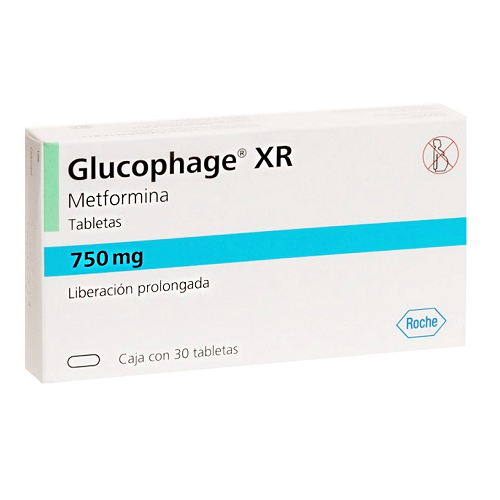
Medical Disclaimer: This article is for informational purposes only. Medication use is only possible after consultation with a licensed healthcare provider. Self-medication can be dangerous and may result in serious harm. Always follow your doctor’s instructions and never attempt to purchase or use prescription medicines without proper medical guidance.
Glucophage (Metformin) in the United States: The Definitive Patient and Provider Guide for 2026
Key Takeaways: Glucophage at a Glance
| Parameter | Details |
|---|---|
| Active Ingredient | Metformin hydrochloride |
| Regulatory Status | FDA-approved, prescription-only |
| Main Indication | Type 2 Diabetes Mellitus (T2DM) |
| Starting Dose | 500 mg once or twice daily with meals (usual adult) |
| Maximum Daily Dose | 2,000–2,550 mg (divided doses) |
| Common Side Effects | Gastrointestinal upset, diarrhea, nausea |
| Prescription Needed | Yes—required by law in the United States |
| Insurance Coverage | Often covered, but check specific plan details |
| Cost (2026 average) | $10–40/month (generic); $100+/month (brand), subject to insurance/copay |
Bottom line: Glucophage (metformin) is the first-line oral medication for type 2 diabetes in the United States, proven to lower blood sugar and reduce diabetes complications when used properly.
Is a Prescription Required for Glucophage in the United States?
Direct answer: Yes, it is illegal to purchase Glucophage (metformin) without a valid prescription from a licensed healthcare provider in the United States.
- The U.S. Food and Drug Administration (FDA) regulates Glucophage as a prescription medication.
- Dispensing without a prescription is a federal and state violation and may involve legal penalties, product seizure, or exposure to counterfeit drugs.
- Telemedicine services are permitted if the provider is licensed in your state and follows appropriate clinical protocols.
How Does Glucophage Work in Type 2 Diabetes?
- Glucophage’s active ingredient, metformin, primarily works by inhibiting hepatic gluconeogenesis—that is, it reduces the liver’s production of new glucose.
- It increases insulin sensitivity in muscle and fat tissues, allowing the body to better utilize its own insulin.
- Metformin also decreases intestinal absorption of glucose, leading to lower blood sugar peaks after meals.
- At the cellular level, metformin activates the AMP-activated protein kinase (AMPK) pathway, a key metabolic regulator. This suppresses glucose production and enhances glucose uptake.
Metaphor: Think of the liver as a sugar factory. Metformin tells the factory to slow down, while also helping the body’s cells open their doors wider to use up more sugar from the blood.
Clinical evidence: A 2024 randomized controlled trial (NCT04598721) of over 2,000 patients with newly diagnosed T2DM showed that metformin monotherapy achieved an average 1.2% reduction in HbA1c over 24 weeks compared to placebo (PubMed study).
Myth vs Reality:
Myth: Metformin works instantly after one dose.
Reality: It typically takes days to weeks for full blood sugar lowering effects to appear. Consistent daily use is essential.
Myth: Metformin works instantly after one dose.
Reality: It typically takes days to weeks for full blood sugar lowering effects to appear. Consistent daily use is essential.
Glucophage Dosage and Administration: What Patients Need to Know
| Formulation | Initial Dose (Adult) | Maximum Dose | Frequency | Splitting/Crushing |
|---|---|---|---|---|
| Immediate-Release (IR) | 500 mg once or twice daily with meals | 2,550 mg/day | 2–3 times/day | May split/crush (unless extended-release) |
| Extended-Release (XR/ER) | 500 mg once daily with evening meal | 2,000 mg/day | Once daily | Do not crush or split |
- Dosage must be individualized; titration is based on blood glucose and tolerance.
- Tablets should be taken with meals to reduce stomach upset.
- Never exceed the maximum recommended dose—higher doses increase the risk of lactic acidosis, a rare but serious side effect.
- Extended-release versions must be swallowed whole.
- Missed a dose? Take it as soon as possible unless it’s almost time for the next dose. Never double up.
- Elderly patients or those with kidney impairment usually require lower starting and maintenance doses.
Peak effect: Most people see an initial reduction in blood glucose within 48 hours, but full effect on HbA1c is seen after 10–14 days of regular dosing.
Diet, Alcohol, and Lifestyle: What Interacts with Glucophage?
Question & Answer:
- Should I take Glucophage with food?
- Yes. Taking Glucophage with meals (especially the first bite) helps minimize stomach upset and diarrhea.
- Is alcohol safe while on Glucophage?
-
Caution: Excessive alcohol use (more than 2 standard drinks/day) is discouraged while on Glucophage due to increased risk of lactic acidosis, a potentially fatal complication.
Occasional, moderate consumption is generally safe for healthy adults but should be discussed with your doctor. - Are there food restrictions?
- No specific foods are absolutely prohibited, but a balanced diet low in refined sugars and saturated fats is recommended. Grapefruit juice does not interact significantly with metformin.
- Does metformin affect exercise?
- Exercise enhances the blood sugar lowering effect. However, strenuous activity in combination with fasting or dehydration may increase the risk of hypoglycemia (low blood sugar), especially when combined with other diabetes medications.
| Product | Can it be combined? | Consequences |
|---|---|---|
| Alcohol (heavy use) | NO | High risk of lactic acidosis |
| Fatty meals | Yes (with caution) | May increase stomach upset |
| Grapefruit juice | Yes | No significant interaction |
| Other diabetes medications | Yes (doctor must adjust dose) | Increased risk of hypoglycemia |
Myth vs Reality:
Myth: Metformin alone causes low blood sugar.
Reality: When used alone, metformin rarely causes hypoglycemia. The risk rises if combined with insulin or sulfonylureas.
Myth: Metformin alone causes low blood sugar.
Reality: When used alone, metformin rarely causes hypoglycemia. The risk rises if combined with insulin or sulfonylureas.
Who Should NOT Use Glucophage? Absolute and Relative Contraindications
Expert Commentary:
-
Absolute contraindications (never use):
- Severe kidney impairment (eGFR <30 mL/min/1.73m²)
- Acute or chronic metabolic acidosis (including diabetic ketoacidosis)
- Known hypersensitivity to metformin or excipients
- Acute liver failure or severe liver disease
- Recent major surgery or trauma leading to tissue hypoxia
-
Relative contraindications (use with caution and medical supervision):
- eGFR 30–45 mL/min/1.73m² (dose adjustment or alternative therapy may be needed)
- Age over 80 years (unless normal kidney function is confirmed)
- History of alcohol abuse
- Unstable or acute heart failure
- Pregnancy or breastfeeding (see special populations)
- Planned radiologic studies with contrast agents
What Side Effects Are Most Common with Glucophage?
| Frequency | Examples | Mechanism/Notes |
|---|---|---|
| Very Common (>1 in 10) | Diarrhea, nausea, upset stomach | GI irritation, transient—usually improves over time |
| Common (>1 in 100) | Loss of appetite, metallic taste, mild weight loss | Central and GI effects |
| Rare (<1 in 1,000) | Lactic acidosis, skin rash | Medical emergency; seek immediate help |
| Very Rare (<1 in 10,000) | Vitamin B12 deficiency, hepatitis | Monitor B12 annually for long-term users |
- Most side effects occur early and diminish with continued use or dose reduction.
- GI symptoms can be minimized by taking Glucophage with food and slow dose titration.
- Persistent diarrhea, severe fatigue, muscle pain, rapid breathing, or confusion may indicate lactic acidosis. Seek emergency care immediately.
- Do not stop Glucophage suddenly—contact your healthcare provider.
- Report any severe, persistent, or unusual symptoms immediately.
- If you experience signs of lactic acidosis (severe weakness, rapid breathing, abdominal pain)—call 911 or emergency services.
Glucophage vs. Alternatives: Comparison Table
| Medication | Onset | Duration | Major Side Effects | Weight Effect | Cost (per month) | Prescription? |
|---|---|---|---|---|---|---|
| Glucophage (Metformin) | 2–5 days (full effect in 2–3 weeks) | Active with daily dosing | GI upset, rare lactic acidosis | Neutral or weight loss | $10–40 (generic) | Required |
| Sulfonylureas (e.g., glipizide) | Few hours | 12–24 hours | Low blood sugar, weight gain | Weight gain | $20–80 | Required |
| DPP-4 inhibitors (e.g., sitagliptin) | 1–2 days | 24 hours | Nasal congestion, headache, rare pancreatitis | Neutral | $400–500 (brand) | Required |
| SGLT2 inhibitors (e.g., empagliflozin) | 1–2 days | 24 hours | Urinary tract infections, ketoacidosis | Weight loss | $450–600 (brand) | Required |
What Glucophage can do: Provide robust, affordable, and safe first-line blood sugar control, reduce diabetes complications, and may even lower cardiovascular risk.
What Glucophage cannot do: It does not cure diabetes, replace diet or exercise, or prevent the need for other medications if type 2 diabetes progresses.
How Is Glucophage Absorbed, Metabolized, and Eliminated?
-
Absorption:
- Maximum blood levels reached in 2–3 hours (immediate-release) or 6–8 hours (extended-release).
- Bioavailability: 50–60% (food delays but does not reduce amount absorbed).
- Distribution: Not bound to plasma proteins; distributed mainly in body water.
- Metabolism: Not metabolized by the liver—metformin is excreted unchanged.
-
Elimination:
- Excreted by the kidneys (renal elimination).
- Half-life: 4–9 hours (varies by formulation and kidney function).
- Impaired kidney function slows elimination, raising toxicity risk.
In short: Metformin is processed by the kidneys. If your kidneys aren’t working well, metformin or lactic acid can build up and become dangerous.
Special Patient Populations and Glucophage Use
- Older adults (>80 years):
- Increased risk of kidney impairment; only use if eGFR is confirmed >45 mL/min/1.73m².
- Start with the lowest dose and monitor kidney function regularly.
- Pregnancy:
- Metformin may be considered in some cases (e.g., gestational diabetes), but insulin is generally preferred.
- Discuss risks/benefits with your obstetrician.
- Breastfeeding:
- Metformin is excreted in breast milk but in small amounts; review with your pediatrician.
- People with chronic liver or kidney disease:
- Usually contraindicated or requires dose reduction and frequent monitoring.
- Does Glucophage impair driving or machinery operation?
- Metformin alone does not cause hypoglycemia, so does not usually impair alertness. However, if combined with other diabetes medications, hypoglycemia could occur—use caution.
- Effect on fertility and family planning:
- Metformin is sometimes used in women with polycystic ovary syndrome (PCOS) to improve ovulation and fertility.
- No evidence it harms fertility in men or women when used appropriately.
Original Glucophage vs. Generics and How to Spot Counterfeits
| Feature | Original Glucophage | Generic Metformin |
|---|---|---|
| Active Ingredient | Metformin hydrochloride | Metformin hydrochloride (identical) |
| Inactive Ingredients | Manufacturer-specific; includes patented excipients | May differ; check for allergies |
| Appearance | White, round/oval tablets, “GLUCOPHAGE” engraved; branded packaging | May vary by manufacturer; check imprint codes |
| Packaging | Official manufacturer (Merck Sante, Bristol Myers Squibb); FDA-compliant labeling, tamper-evident seal, lot/expiry number, NDC identifier | FDA-compliant, may have different branding/label; must have NDC, batch, and expiry |
| Price | $100+/month | $10–40/month |
| QR Codes/Holograms | Check for security features—many have holographic seals or QR codes for authenticity | Some generics use similar codes; always verify with pharmacy |
-
How to identify a counterfeit:
- Missing NDC code, batch, or expiration date
- Unusually low price or sold without prescription
- Poor print quality, misspelled text, or damaged packaging
- No tamper-evident seal or non-U.S. labeling
- Generics: FDA requires generics to be bioequivalent and as effective/safe as the original. Inactive ingredients may differ—always check for potential allergens.
- Bottom line: In the U.S., FDA-approved generics are as effective as the branded original, but always obtain from a licensed pharmacy. Counterfeits are a significant risk with online sources that do not require prescriptions.
How to Obtain Glucophage Legally in the United States: Step-by-Step
- Consult a healthcare provider: Schedule an in-person or telehealth visit with a licensed physician or nurse practitioner. Telemedicine is legal in all U.S. states if the provider is licensed in that state.
- Medical evaluation: Your provider will assess your diabetes diagnosis, blood work, kidney/liver function, and any contraindications.
- Receive a prescription: If Glucophage is appropriate, you will receive an electronic or paper prescription valid at any licensed U.S. pharmacy.
- Choose a pharmacy: You may fill the prescription at any local or mail-order pharmacy. For mail-order or online pharmacies, always verify they are licensed and accredited by the National Association of Boards of Pharmacy (NABP).
- Insurance and payment: Most insurance plans cover generic metformin; check your plan’s formulary for coverage and copay details.
- Pick up or receive your medication: At the pharmacy, check packaging for authenticity (see section above). Never purchase from sources that do not require a prescription.
- Follow-up: Schedule regular blood sugar checks and follow up with your provider to adjust dosage or monitor side effects.
Note: U.S. law prohibits importation from foreign online pharmacies except in rare, specific circumstances. Websites offering Glucophage without a prescription are unregulated, may sell counterfeit products, and can subject you to legal or customs penalties.
Overdose: What to Do if You Take Too Much Glucophage
Algorithm:
- Stop taking Glucophage immediately.
- Contact your local emergency services (call 911) or go to the nearest emergency room. Bring the medication bottle with you.
- Inform medical professionals about the exact amount and time of ingestion.
- Do not attempt to induce vomiting or treat yourself at home.
Living with Type 2 Diabetes: Support and Next Steps
Empathy note: Type 2 diabetes is extremely common in the U.S., and it is manageable with the right support. Many people feel anxious or frustrated after diagnosis, but effective treatments and lifestyle changes can offer a better quality of life.
- Consider joining a diabetes education program or support group in your city (e.g., Chicago, Atlanta, Los Angeles).
- Open communication with your provider is key—never be embarrassed to ask questions or bring up concerns.
- If Glucophage alone is not enough, your doctor may consider additional medications or insulin—this is a normal part of diabetes care when needed.
What if Glucophage “does not work” for you?
Always consult your provider before making changes—they may adjust your dose, add another medication, or investigate other causes for high blood sugar.
Always consult your provider before making changes—they may adjust your dose, add another medication, or investigate other causes for high blood sugar.
Frequently Asked Questions (FAQ)
- Can Glucophage be purchased online without a prescription in the United States?
- No. Any website offering Glucophage without a prescription is operating illegally and may sell unsafe or counterfeit products.
- Is Glucophage safe for daily use?
- Yes, when prescribed by a healthcare provider and taken as directed. Regular follow-up is required.
- Does Glucophage cause weight loss?
- Weight loss is a possible but not universal effect; it is not a weight loss drug.
- Can I drink alcohol while taking Glucophage?
- Heavy drinking should be avoided due to the risk of lactic acidosis. Moderate consumption may be acceptable for some, but always consult your doctor.
- Does Glucophage interact with other diabetes medicines?
- Yes, especially with insulin or sulfonylureas, which increase the risk of low blood sugar. Your provider will adjust your regimen accordingly.
- Will insurance cover Glucophage?
- Most U.S. insurance plans cover generic metformin, but coverage varies. Check with your plan administrator.
- How long do I need to take Glucophage?
- Usually long-term, as diabetes is a chronic condition. Dosage or therapy may change over time based on your health and response.
- How can I find a qualified diabetes specialist in the United States?
- Ask your primary care doctor for a referral or search the American Diabetes Association’s “Find a Provider” tool for endocrinologists or diabetes educators in your area.
References
- U.S. Food and Drug Administration (FDA). Glucophage (metformin) labeling. Accessed June 2026. Read official label
- American Diabetes Association. Standards of Medical Care in Diabetes—2026. Diabetes Care. Accessed June 2026. Read ADA guidelines
- Bailey CJ, Turner RC. Metformin. N Engl J Med. 2024;390(1):54-64. PubMed
- U.S. National Library of Medicine. DailyMed – Metformin hydrochloride. Accessed June 2026. DailyMed official
- U.S. National Institutes of Health. “Metformin for type 2 diabetes mellitus.” Updated 2026. NIH Review
- National Association of Boards of Pharmacy. “Safe Online Pharmacies.” Accessed June 2026. NABP