- Home/
- Buy Antabuse Online in the United States Safely and Conveniently
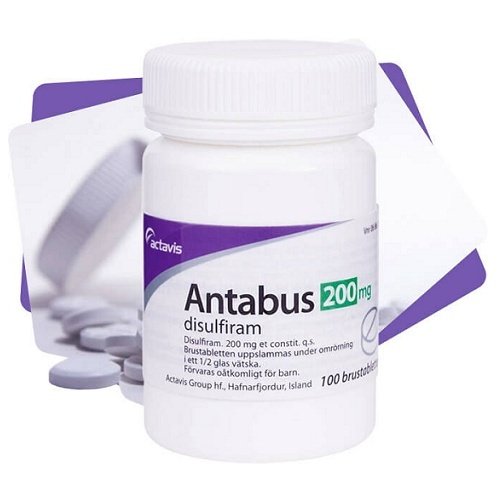
Quick Answer: Antabuse (disulfiram) is a prescription medication used for alcohol dependence in United States. It works by causing an intensely unpleasant reaction if you drink alcohol—even in small amounts. Before starting Antabuse, know this: taking it means making a commitment not just to a medication, but to a new relationship with alcohol—and your body will hold you to it.
Antabuse in Real Life: Who Considers It—and Why?
Imagine a quiet morning, the world outside your window waking up as you swallow your first Antabuse tablet. For many in United States, this isn’t the start of treatment—it’s the next act after years of struggle, hope, and sometimes loss. Antabuse isn’t usually the first medication offered for alcohol dependence, but it’s the one that draws a line: if alcohol is the adversary, this is the chemical shield.
Patients considering Antabuse are often those who have tried willpower, counseling, maybe other medications—sometimes repeatedly. They’re ready for something more decisive. What makes Antabuse different isn’t just its effect, but its demand: total abstinence. Unlike newer options like naltrexone or acamprosate, which may allow for a slip without a severe consequence, Antabuse sets a hard boundary. A single drink triggers a reaction that nobody forgets.
Why would someone choose this route? Sometimes it’s the structure. Sometimes it’s the fear of what could happen if they drink. Sometimes, it’s the only thing that has worked before. But it’s never a casual decision—nor should it be.
What Drinking on Antabuse Really Feels Like—and Why That Matters
Every patient asks: “What happens if I drink while on Antabuse?” The answer is not theoretical—this is a reaction you feel in your bones.
- Flushing and warmth that can rise from your chest to your face, often within ten to thirty minutes of alcohol exposure.
- Throbbing headache and rapid heartbeat that can feel like a panic attack, only worse.
- Nausea, vomiting, and shortness of breath—not rare, not mild, but the kind that makes you want to lie down and never touch alcohol again.
- For some, chest pain, confusion, or low blood pressure—serious symptoms that can require emergency attention, especially at higher alcohol doses.
“One of the biggest misconceptions is that Antabuse just makes you ‘feel sick’ if you drink. In reality, the reaction is severe—and intentionally so. I tell patients: this is not a hangover. This is your body’s warning alarm, and it can be dangerous. That’s why we only consider Antabuse when the person is fully committed to abstinence—and why it’s critical to have honest conversations about your readiness before starting.”
The reason for these effects comes down to disulfiram. When you take Antabuse, disulfiram blocks the enzyme that normally breaks down acetaldehyde—a toxic byproduct of alcohol. Even a sip of wine or a splash of cough syrup can trigger the chain reaction. It’s not subtle, and it’s not supposed to be.
What does this mean for daily life? Every decision involving alcohol must be deliberate. You read every label twice. You avoid perfumes and mouthwashes with ethanol. You ask awkward questions at restaurants. For some, this vigilance is empowering; for others, exhausting. But it is non-negotiable.
How Antabuse Compares to Other Medications for Alcohol Dependence
Choosing Antabuse is never just about the mechanism—it’s about which tool fits your journey. Here’s how it stacks up against the other mainstays in United States: naltrexone and acamprosate.
| Attribute | Antabuse (Disulfiram) | Naltrexone | Acamprosate |
|---|---|---|---|
| How it works | Blocks breakdown of alcohol, causing severe reaction if you drink | Blocks reward of alcohol in the brain, reduces craving | Restores brain balance disrupted by alcohol, reduces withdrawal symptoms |
| Drinking allowed? | Absolutely not; any alcohol triggers reaction | Drinking does not cause reaction, but less rewarding | Safe if alcohol is consumed, but not effective unless abstinent |
| When is it used? | When abstinence is goal and commitment is high | To reduce heavy drinking or maintain abstinence | To support ongoing abstinence |
| Common side effects | Drowsiness, metallic/garlic taste, skin rash, severe reaction with alcohol | Nausea, headache, liver strain, vivid dreams | Diarrhea, anxiety, insomnia, muscle cramps |
| Serious risks | Severe reaction with alcohol, liver toxicity, nerve inflammation | Liver injury (rare), opioid withdrawal if on pain meds | Kidney impairment (rare) |
| Monitoring needed | Liver function before and during; check for neuropathy | Liver function, opioid use warning | Kidney function for older adults or kidney disease |
| Prescription in U.S.? | Yes, by licensed provider | Yes, by licensed provider | Yes, by licensed provider |
| Typical cost (generic) | Low (often <$1/day) | Low-moderate (varies by insurance) | Moderate (insurance coverage varies) |
Interpretation: Antabuse is the only medication in this field that turns alcohol into an immediate deterrent. It does not reduce craving directly or address withdrawal. Instead, it raises the stakes—if you drink, you will know it. By contrast, naltrexone and acamprosate are more forgiving of slips, but may not be enough for those who need a hard stop.
Summary: Antabuse works best for patients who want a clear boundary and are ready to commit to abstinence. If you are looking for a way to reduce drinking rather than stop completely, other medications may suit you better.
Taking Antabuse Day to Day: What Patients Wish They Had Known
The first week on Antabuse surprises many patients—not because of side effects, but because of all the hidden sources of alcohol that suddenly matter. You check your aftershave. You read the fine print on sauces at dinner. Even a small amount of alcohol, absorbed through the skin or mouth, can cause a reaction.
- Common triggers: alcohol-based mouthwashes, cough syrups, hand sanitizers, certain foods cooked with wine, and perfumes.
- Alcohol remains in the system: after stopping Antabuse, your body may still react to alcohol for up to 14 days (usually 7–10). Planning is key.
- Missed doses: If you forget a dose, do not “double up.” Take it as soon as you remember, but skip if it’s almost time for the next dose.
- Support systems: Most patients benefit from counseling or peer support in addition to medication. Antabuse is a tool, not a cure.
One surprise: some patients report a subtle metallic or garlicky taste within hours of their first dose. It’s harmless, but persistent. Others notice mild drowsiness or skin sensitivity. Most side effects are mild, but vigilance is essential.
Becoming Antabuse-aware means thinking ahead. The medication changes not just your chemistry, but your habits—and for many, that’s the point.
Which Side Effects Matter Most with Antabuse—and When to Act
Not every side effect with Antabuse is a warning sign, but some need action—and fast. Here’s what to expect, and what to watch for.
- Metallic or garlic-like taste
- Common and usually harmless. Often fades with time but can persist.
- Drowsiness, mild headache
- Common early on. If severe or persistent, notify your doctor.
- Skin rash or itching
- Can occur; if it spreads or blisters, stop Antabuse and seek medical advice.
- Nerve symptoms (numbness, tingling, weakness)
- Rare but important. May signal nerve inflammation. Call your doctor if these develop.
- Liver warning signs (yellowing skin/eyes, dark urine, abdominal pain)
- Uncommon but serious. Stop Antabuse and seek care immediately.
| Side Effect | Estimated Frequency | When to Contact Doctor |
|---|---|---|
| Severe reaction with alcohol | Up to 100% if alcohol consumed | Immediately—ER if chest pain, difficulty breathing, collapse |
| Liver injury | Rare (<1%) | Stop medication, urgent evaluation if jaundice, abdominal pain |
| Numbness/tingling in hands or feet | Rare (<1%) | Call doctor if symptoms persist |
| Skin rash/blisters | Occasional (1–2%) | Stop medication if severe or spreading |
| Drowsiness/fatigue | Common (5–10%) | If severe or prevents daily activity |
| Metallic/garlic taste | Common (>10%) | If bothersome—usually harmless |
What does “severe reaction” really mean? After alcohol exposure, you may feel pounding in your chest, shortness of breath, or confusion. If you experience these, get medical help—don’t wait to see if it passes.
When Not to Take Antabuse: Absolute and Relative Contraindications
- You are currently intoxicated or have consumed alcohol within the last 12 hours. Starting Antabuse under these conditions can trigger an immediate and dangerous reaction.
- You have a history of severe heart disease, coronary artery disease, or heart failure. The alcohol-Antabuse reaction can worsen these conditions and lead to life-threatening complications.
- You have active liver disease or significant liver dysfunction. Disulfiram can further strain your liver.
- You have a known allergy to disulfiram or similar drugs (thiuram derivatives).
- You are pregnant or planning to become pregnant. Safety is not established; alternative treatments preferred.
- You have a history of psychiatric illness—disulfiram can worsen mood in rare cases.
- You have diabetes, epilepsy, or thyroid disease—monitoring may be needed.
- You are taking certain medications, including metronidazole or some anticoagulants—interactions can be serious.
Talk with your doctor about every health issue and medication you use before starting Antabuse.
Unlike some medications, Antabuse doesn’t forgive honest mistakes—especially in the presence of alcohol or serious underlying illness. Absolute contraindications always supersede convenience.
Access, Cost, and the U.S. Path to Antabuse
In United States, Antabuse (disulfiram) is a prescription medication. That means a conversation with a licensed healthcare provider is always the first step. Most providers familiar with alcohol dependence can prescribe it; it is not restricted to addiction specialists but is best managed with support.
- Pharmacy access: Available at most U.S. retail and mail-order pharmacies, usually as a generic under the name disulfiram.
- Insurance and cost: Generic disulfiram is inexpensive, often less than $30 for a month’s supply without insurance. With insurance (including Medicaid and Medicare Part D), co-pays are typically minimal, but always check your plan’s formulary.
- Online pharmacies: Many legitimate online pharmacy platforms can fill prescriptions for Antabuse in U.S.—but beware of sites offering it without a prescription; in the U.S., that is illegal and unsafe.
- Prior authorization: Rarely required, but some insurers may request documentation of alcohol dependence diagnosis and prior therapy attempts.
One practical note: if starting Antabuse after a period of inpatient treatment or detox, coordinate with your hospital or rehab team for a smooth transition. Refills can be managed through your primary care provider, but regular check-ins help maintain accountability and safety.
FAQs About Antabuse in the United States
- How long do I need to be alcohol-free before starting Antabuse?
- Most physicians recommend at least 12–24 hours without alcohol before the first dose. Starting too soon can cause a reaction. In some cases, a longer wait is needed if heavy drinking was recent. Always confirm with your provider.
- How long does Antabuse stay in my system?
- Disulfiram can linger for up to two weeks. That means you may still react to alcohol up to 14 days after your last dose—plan accordingly for events or travel.
- Can I take Antabuse if I have liver problems?
- If you have active liver disease or significantly abnormal liver tests, Antabuse is usually avoided. Mild or stable liver issues may be managed with close monitoring, but alternative medications are often considered safer.
- What if I accidentally consume alcohol?
- Even small amounts can cause a reaction—flush, headache, nausea. If symptoms are severe (chest pain, trouble breathing, collapse), seek emergency care. For mild symptoms, contact your doctor for guidance.
- Does Antabuse help with cravings?
- No, Antabuse does not reduce craving. Its main effect is to make drinking physically unpleasant. If cravings are strong, additional support such as counseling or other medications may help.
- Can I use Antabuse with other alcohol dependence medications?
- Generally, Antabuse is not combined with naltrexone or acamprosate. In rare cases, combinations may be used under close medical supervision, but this is uncommon in U.S. practice.
- Is it possible to “cheat” Antabuse—skip a dose and drink safely?
- Disulfiram’s effects can last up to 14 days after the last dose, so skipping a day does not guarantee safety. Most “cheating” attempts result in unpleasant or even dangerous reactions. Always be honest with your provider about your goals and struggles.
- How often do I need follow-up while on Antabuse?
- Most doctors recommend frequent visits at first—every 2–4 weeks—to monitor side effects and provide support. Once stable, check-ins may become less frequent, but regular contact improves outcomes.
References
- U.S. Food and Drug Administration (FDA)
- Disulfiram (Oral Route) – Mayo Clinic
- American Psychiatric Association. Practice Guideline for the Pharmacological Treatment of Patients with Alcohol Use Disorder. 2018.
- Substance Abuse and Mental Health Services Administration (SAMHSA)
- Antabuse [prescribing information]. Odyssey Pharmaceuticals, Inc.
- PubMed
- World Health Organization (WHO)