- Home/
- Buy Zithromax at Low Price in the United States Online
Can Zithromax Be Obtained Without a Prescription in the United States?
No, Zithromax (azithromycin) requires a valid prescription from a licensed healthcare provider in the United States. It is illegal and unsafe to obtain this antibiotic without a proper prescription and medical evaluation.
Key Takeaways: What You Need to Know About Zithromax in the United States
- Zithromax is a prescription antibiotic used to treat a wide range of bacterial infections and is not available over-the-counter in the U.S.
- It is most suitable for patients with respiratory tract infections, some sexually transmitted infections, and certain skin or soft tissue infections as determined by your doctor.
- A valid prescription from a U.S.-licensed healthcare provider is required for both in-person and telemedicine appointments.
- Zithromax should not be used for viral infections such as the common cold or flu.
- Serious side effects are rare, but allergic reactions and heart rhythm problems can occur; always inform your doctor of your full medical history.
- If you suspect a bacterial infection, seek prompt medical advice to ensure you receive the most appropriate treatment.
How Does Zithromax Work in the Body?
Zithromax is the branded form of azithromycin, a macrolide antibiotic. It acts by binding to the 50S ribosomal subunit of susceptible bacteria, inhibiting the translocation steps in protein synthesis. This action blocks the formation of essential bacterial proteins, ultimately stopping bacterial growth (bacteriostatic effect), and in some cases, causing bacterial cell death (bactericidal effect) at high concentrations or against particularly sensitive strains.
Azithromycin does not affect human ribosomes, which is why its antibacterial action is selective. Its unique structure allows it to accumulate in tissues and cells, particularly in phagocytes and fibroblasts, resulting in high concentrations at infection sites.
Simplified metaphor: Think of Zithromax as a lock that jams the machinery bacteria need to build their “factories.” Without these proteins, the bacteria can no longer grow or multiply, allowing your immune system to clear the infection.
No specific external triggers or conditions are required for Zithromax to be effective. However, it must be used for bacterial infections confirmed or strongly suspected by your healthcare provider. Improper use (such as for viral infections) can lead to antibiotic resistance.
Why Patient Perceptions of Antibiotics Like Zithromax Often Clash with Clinical Realities
As an infectious disease physician, I find many patients expect antibiotics like Zithromax to act as a “quick fix,” eliminating symptoms overnight. However, most bacterial infections require a few days before substantial improvement is noticed. Patients are often frustrated if symptoms linger for two or three days, leading some to worry the medication isn’t working, or to self-increase doses. Another misconception is that completing a course guarantees complete eradication of infection, when in practice, some symptoms (like a lingering cough) may persist as the body recovers. Rarely do patients ask about side effects or what signs warrant urgent medical attention—topics I wish they’d raise more often. Managing these expectations in clinic helps prevent unnecessary anxiety, overuse, or premature discontinuation, all of which can hinder recovery or promote resistance.
How Should I Take Zithromax? Dosage, Timing, and Duration
Zithromax is typically prescribed as a five-day or three-day course depending on the infection. The most common regimens are:
- For respiratory tract infections (e.g., sinusitis, bronchitis, pneumonia): 500 mg on day 1, then 250 mg once daily on days 2-5.
- For certain sexually transmitted infections (e.g., chlamydia): Single 1,000 mg dose (sometimes up to 2,000 mg for specific conditions).
- For skin/soft tissue infections: Dosage and duration are tailored to the specific condition.
Maximum daily dose: Do not exceed 500 mg per day unless specifically instructed by your doctor. For single-dose regimens, the maximum is 1,000–2,000 mg as prescribed.
Duration of action: Azithromycin has a long tissue half-life (68 hours). Its sustained release allows for once-daily dosing, and therapeutic levels remain for several days after the last dose.
- Tablets must be swallowed whole (do not split or crush unless the product insert specifically allows this; most formulations should not be split).
- Adjustments for elderly or kidney/liver impairment: Dose may need adjustment in patients with severe hepatic impairment; consult your physician. No adjustment is typically needed for mild kidney disease.
Always finish the prescribed course, even if you start feeling better before it’s over.
Can I Take Zithromax With Food, Alcohol, or Other Substances?
Food: Zithromax may be taken with or without food, but absorption is slightly better on an empty stomach. A high-fat meal can delay absorption by about one hour but does not significantly reduce effectiveness. For optimal results, take at least 1 hour before or 2 hours after meals.
Alcohol: Moderate alcohol intake is not strictly prohibited but should be avoided during antibiotic treatment. Alcohol can worsen stomach upset and, in rare cases, interact with underlying conditions being treated. Limiting alcohol while taking Zithromax is advised to minimize gastrointestinal side effects and prevent masking of adverse reactions.
- Grapefruit juice: No clinically significant interaction has been documented with azithromycin, unlike some other medications; however, it’s generally safest to avoid grapefruit juice while on any prescription antibiotic.
- Dairy: Azithromycin is not affected by dairy products, unlike some other antibiotics (e.g., tetracyclines, fluoroquinolones).
- Other medications: Some drugs can interact with azithromycin, particularly those affecting heart rhythm (QT interval). See Compatibility Table below.
Who Should Not Take Zithromax? Contraindications and Red Flags
- Absolute Contraindications
-
- History of severe allergic reaction to azithromycin, erythromycin, or any macrolide/ketolide antibiotic.
- Previous cholestatic jaundice or liver dysfunction associated with prior azithromycin use.
- Severe hepatic impairment (Child-Pugh C)—risk of worsening liver failure.
- Concurrent use with drugs known to prolong the QT interval (e.g., some antiarrhythmics like amiodarone, sotalol, or certain antipsychotics) due to risk of life-threatening arrhythmias.
- Relative Contraindications (Caution Required)
-
- Mild to moderate liver disease: Dose adjustment may be necessary.
- Renal impairment: Generally safe, but monitor in severe cases.
- History of arrhythmias, congenital QT prolongation, or electrolyte imbalance (hypokalemia, hypomagnesemia): Increased risk for heart rhythm disturbances.
- Pregnancy and breastfeeding: Should only be used if clearly indicated; consult your doctor.
- Myasthenia gravis: Macrolides, including azithromycin, may worsen symptoms.
Guidance: Always inform your doctor of your full medical history, especially heart, liver, or neuromuscular conditions, and all current medications.
Clinical note: Zithromax may be considered after stabilization for some conditions (e.g., several weeks after acute myocardial infarction), but only under close medical supervision.
What Side Effects Are Most Common With Zithromax?
- Very Common (>1/10)
-
- Gastrointestinal upset (nausea, diarrhea, abdominal pain)
Mechanism: Azithromycin may irritate the gastrointestinal lining or disrupt normal gut flora.
- Common (1/100 to 1/10)
-
- Headache
- Vomiting
- Dizziness
- Fatigue
- Change in taste sensation
- Rare (1/10,000 to 1/1,000)
-
- Severe allergic reactions (anaphylaxis, angioedema)
- Serious liver injury (hepatitis, cholestatic jaundice)
- Severe skin reactions (Stevens-Johnson syndrome)
- Abnormal heart rhythm (QT prolongation, torsades de pointes)
- Very Rare (<1/10,000)
-
- Hearing loss (usually reversible)
- Pancytopenia or blood disorders
What to do if side effects occur: For mild symptoms (nausea, diarrhea), inform your physician at the next visit. For severe symptoms (rash, swelling, difficulty breathing, persistent vomiting, or irregular heartbeat), seek immediate medical attention or call 911.
Common Mistakes Patients Make When Taking Zithromax—And How to Avoid Them
- Stopping the medication early because symptoms improve. Even if you feel better, bacteria may still be present. Incomplete treatment risks relapse and antibiotic resistance.
- Doubling up after missing a dose. Taking two doses at once increases the risk of side effects without improving effectiveness. Instead, take the missed dose as soon as you remember, unless it’s almost time for the next one.
- Using leftover antibiotics for a new illness or sharing with others. This is unsafe and contributes to resistance. Each infection requires a specific diagnosis and regimen.
- Taking Zithromax for viral illnesses like colds or the flu. Azithromycin is ineffective against viruses. Using it unnecessarily increases adverse risks and resistance.
- Combining Zithromax with other QT-prolonging medications without informing the doctor. This can cause dangerous heart rhythm disturbances—always provide a complete medication list.
- Splitting or crushing tablets not meant to be altered. Some formulations lose efficacy or may even be harmful if altered. Ask your pharmacist if you have trouble swallowing pills.
- Ignoring new or unusual symptoms while taking the drug. Promptly report issues like rash, jaundice, or palpitations to your provider.
How Does Zithromax Compare to Other Antibiotics?
In U.S. clinical practice, azithromycin (Zithromax) is often compared with clarithromycin and doxycycline for respiratory or soft tissue infections. Selection depends on infection type, patient age, drug tolerability, and price.
| Medication | Onset Speed | Duration of Action | Common Adverse Effects | Cost per Course (USD)* | Prescription Required? |
|---|---|---|---|---|---|
| Zithromax (Azithromycin) | 24–48 hours | Once daily (tissue half-life: 68 hours) | GI upset, rare QT prolongation | $15–$80 | Yes |
| Clarithromycin | 24–48 hours | Twice daily (half-life: 5–7 hours) | GI upset, taste disturbance, drug interactions | $20–$130 | Yes |
| Doxycycline | 24–48 hours | Once or twice daily (half-life: 18–22 hours) | GI upset, sun sensitivity, esophagitis | $10–$40 | Yes |
*Approximate retail prices as of early 2026 in the U.S.; varies by pharmacy and insurance. Generics are typically less expensive.
Bottom line: Zithromax is valued for its convenient once-daily dosing and short course. However, it is not always the first choice for all infections and should be selected based on bacterial susceptibility and patient-specific factors.
Technical Information: Zithromax at a Glance
| Parameter | Value |
|---|---|
| Active Ingredient | Azithromycin dihydrate |
| Formulations | Tablets (250 mg, 500 mg), oral suspension, IV powder |
| Route of Administration | Oral, intravenous (hospital only) |
| Tablet Appearance | White, oblong, scored, with “Pfizer” and strength imprint |
| Storage | Room temperature (68–77°F/20–25°C). Protect from moisture. |
| Usual Treatment Duration | 1–5 days depending on indication |
| Prescription Status | Prescription-only (Rx required in U.S.) |
Zithromax Compatibility Table: Can It Be Combined With Other Common Medications?
| Type of Product | Can It Be Combined? | Consequences / Concerns |
|---|---|---|
| Ibuprofen/Acetaminophen | Yes | No significant interaction |
| Oral contraceptives | Yes | No significant effect on efficacy |
| Warfarin | With caution | May increase bleeding risk; monitor INR |
| Antiarrhythmics (e.g., amiodarone, sotalol) | STRICTLY NO | Life-threatening QT prolongation risk |
| Antacids | Yes, but separate by >2 hours | May reduce azithromycin absorption |
| Alcohol | Preferably avoid | May worsen GI side effects |
| Grapefruit Juice | Avoid if possible | No known interaction, but potential for unpredictable metabolism with some drugs |
How Is Zithromax Processed in the Body? (Pharmacokinetics Explained)
After oral administration, azithromycin is rapidly absorbed (bioavailability ~37%) and distributed widely throughout body tissues. Peak blood plasma concentrations are reached in 2–3 hours. It accumulates in high concentrations within phagocytes, fibroblasts, and infection sites, which supports its sustained action after dosing.
- Metabolism: Primarily in the liver via demethylation; minimal cytochrome P450 involvement.
- Elimination: Biliary excretion (liver into bile and feces); only ~6% excreted unchanged in urine.
- Half-life (T1/2): ~68 hours (enabling once-daily dosing and short courses).
- Clearance is reduced in severe hepatic impairment.
This long half-life allows effective antibacterial activity even after the medication course is completed. Patients with severe liver disease should not use Zithromax unless carefully monitored.
Are There Special Considerations for Certain Patient Groups?
- Elderly patients: No dosage adjustment is typically necessary, but increased sensitivity to heart rhythm effects (QT prolongation) has been observed. Monitoring is advised in patients with cardiac risk factors.
- Children: Dosing is based on weight and indication; pediatric formulations (oral suspension) are available.
- Pregnancy: Category B; animal studies show no direct harm, but human data is limited. Only use if medically necessary and prescribed by a physician (FDA).
- Breastfeeding: Azithromycin is excreted in breast milk in low amounts; consult with your doctor.
- Renal impairment: No adjustment for mild/moderate dysfunction; caution in severe cases.
- Liver disease: Not recommended in severe hepatic impairment.
- Fertility: No evidence of negative impact on male or female fertility in humans (PubMed).
- Driving: Zithromax does not typically impair alertness or coordination; however, dizziness may occasionally occur.
Branded Zithromax vs. Generic Azithromycin: What’s the Difference?
Zithromax is Pfizer’s original brand of azithromycin, while generic versions are made by various FDA-approved manufacturers. Both must meet the same U.S. safety, efficacy, and bioequivalence standards (FDA generic drug facts).
- Active ingredient: Identical (azithromycin).
- Excipients (inactive ingredients): May differ between brands; rarely cause allergic reactions but check product labeling if you have known sensitivities.
- Packaging and appearance: Shape, color, and imprint may vary, but generics are required to include identifying marks and FDA labeling.
- Price: Generics are usually significantly less expensive, often covered by insurance.
- Effectiveness and safety: No clinically meaningful difference when sourced from FDA-approved manufacturers.
Bottom line: Generic azithromycin is a safe and cost-effective alternative to branded Zithromax for most patients.
How Do I Know My Zithromax Is Genuine? (U.S. Quality Assurance)
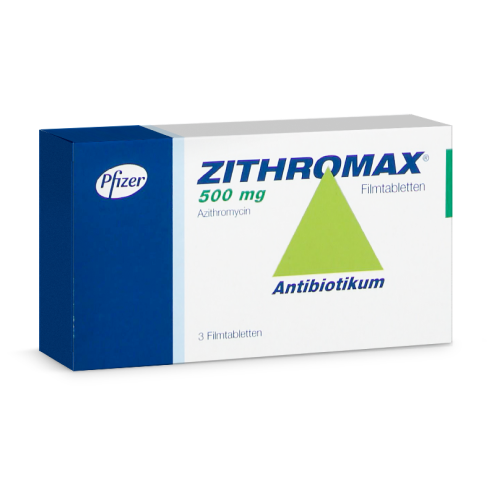
- Packaging: Original Zithromax comes in sealed Pfizer-branded boxes and/or blisters; generics have FDA-approved packaging with clear manufacturer and lot number information.
- Tablet appearance: For Zithromax 500 mg, tablets are white, oblong, marked with “Pfizer” and strength; generics may have different imprints but must match FDA records.
- Holograms/QR codes: Some manufacturers include QR codes or holographic seals for authenticity; scan codes to confirm at the manufacturer’s website or FDA Drug Supply Chain Security Act portals.
- Pharmacy labeling: All prescription bottles or packages dispensed in the U.S. must have the dispensing pharmacy’s details, prescription number, and patient name.
- Suspicious signs: Misspellings, poor print quality, broken seals, or unusually low prices may indicate counterfeit products.
Spotting Counterfeit Zithromax: Safety Tips for U.S. Patients
- Only purchase from licensed pharmacies (in-person or verified U.S. online providers).
- Check the imprint and appearance: Use the FDA’s Pill Identifier tools to verify tablets.
- Compare NDC codes: The National Drug Code should match the label and the FDA’s records.
- Generics vs. counterfeits: Generics are FDA-approved and dispensed from legitimate pharmacies. Counterfeits often lack proper labeling, may be sold at extreme discounts, and may have altered packaging or unusual shapes/colors.
- If in doubt: Contact the dispensing pharmacy, your doctor, or the FDA’s MedWatch program for guidance.
Remember: Counterfeits may contain incorrect, absent, or harmful ingredients and have led to outbreaks of drug resistance and serious health events.
How to Find a Legitimate Online Pharmacy in the U.S.
- Verify accreditation: Look for the NABP Digital Pharmacy (formerly VIPPS) seal, which certifies U.S. online pharmacies.
- Check for a physical U.S. address and phone number: Legitimate pharmacies are required to operate within the U.S. and provide contact information.
- Prescription requirement: A U.S.-licensed pharmacy will always require a valid prescription before dispensing Zithromax.
- Avoid international sellers advertising “no prescription needed.” These sites are likely breaking U.S. law and may distribute counterfeit, contaminated, or substandard products.
- Consult the FDA’s “BeSafeRx” campaign: For tips and a list of safe online pharmacies, visit FDA BeSafeRx.
- Reporting concerns: Report suspicious websites to the FDA or NABP.
Step-by-Step: How to Get Zithromax Legally in the U.S.
- Step 1: Schedule a Medical Evaluation. Book an appointment with a licensed healthcare provider (in-person or via a telemedicine service authorized in your state).
- Step 2: Undergo Clinical Assessment. Your doctor will review your symptoms, medical history, and may perform diagnostic tests (e.g., throat swab, chest X-ray, urine test).
- Step 3: Receive a Prescription. If Zithromax is appropriate for your condition, your provider will issue a prescription valid in the U.S.
- Step 4: Fill the Prescription at a Licensed Pharmacy. Present your prescription at a local or accredited online pharmacy—the pharmacist will verify your identity and insurance if applicable.
- Step 5: Follow the Dosing Instructions. Take the medication exactly as prescribed. Ask your pharmacist if you have any questions about administration or potential interactions.
- Step 6: Monitor for Side Effects and Follow-Up. Report any concerning symptoms to your healthcare provider and complete the full treatment course.
What Should I Do If I Take Too Much Zithromax?
- Stop taking the medication immediately.
- Call Poison Control (1-800-222-1222) or 911 for emergency services in the U.S.
- Inform the medical team about the amount taken, the timing, and any symptoms experienced (vomiting, irregular heartbeat, severe diarrhea, etc.).
- Do not attempt to induce vomiting unless instructed by a medical professional.
Symptoms of overdose may include: severe nausea, vomiting, diarrhea, temporary hearing loss, or abnormal heart rhythms.
Remember: Your Condition Is Manageable
Many infections treated with Zithromax are common and manageable. If you feel anxious or have concerns about your diagnosis or medication, remember that you are not alone—discussing your feelings with a trusted person or mental health professional can help you cope more effectively.
Clinical Questions Patients Often Ask Doctors About Zithromax
- How soon should I expect to feel better after starting Zithromax?
- Most patients begin to notice improvement within 48–72 hours. If you do not feel better after 3 days, or your symptoms worsen, contact your physician for reassessment.
- Is it normal to still have some symptoms after finishing the full course?
- Yes, some residual symptoms (like cough or fatigue) may persist briefly as your body continues to heal, even when the infection is cleared. If you experience new or worsening symptoms after completing treatment, follow up with your doctor.
- Can I take Zithromax if I have a history of penicillin allergy?
- Azithromycin belongs to a different antibiotic class (macrolides), so most people with penicillin allergies can take it safely. However, inform your doctor of all allergies and past reactions before starting any new medication.
- How do you determine if I really need an antibiotic?
- We assess your clinical symptoms, duration, severity, and, when needed, order laboratory or imaging tests to distinguish between bacterial and viral infections. Antibiotics are only prescribed when there is strong evidence of bacterial infection.
- What if I vomit shortly after taking my dose?
- If you vomit within 30 minutes of taking Zithromax, take the dose again. If more than 30 minutes have passed, do not repeat the dose unless advised by your doctor.
- Are there signs of an allergic reaction I should watch for?
- Yes—rash, swelling of the face or tongue, shortness of breath, or severe dizziness. If any of these occur, seek immediate medical attention.
- How do you monitor progress during therapy?
- We usually judge progress by your clinical improvement, but for certain conditions, repeat testing may be needed. Always complete follow-up if requested.
Clinical Assessment by a U.S. Infectious Disease Physician
In my clinical practice, Zithromax is most beneficial for patients with confirmed or strongly suspected bacterial infections where macrolide coverage is recommended—such as atypical respiratory pathogens, select sexually transmitted infections, and certain skin or soft tissue infections. It is especially valuable for patients who cannot tolerate penicillins or cephalosporins.
However, Zithromax is not ideal for every patient. Those with significant cardiac risk factors (history of arrhythmias, prolonged QT interval, or concurrent use of other QT-prolonging drugs) may be at greater risk of serious side effects. I avoid its use in patients with severe liver disease, and always reassess for alternative agents if the clinical situation changes or if antibiotic resistance is suspected. Zithromax should never be used for viral illnesses, and careful stewardship is needed to avoid contributing to resistance. Ultimately, the choice of antibiotic must be guided by the specific infection, patient characteristics, and up-to-date resistance patterns in our region.
Frequently Asked Questions About Zithromax in the United States
- Is Zithromax effective for COVID-19?
- No, clinical studies to date do not support the use of azithromycin for prevention or treatment of COVID-19 (NIH COVID-19 Guidelines).
- How much does Zithromax cost in the U.S.?
- A typical 5-day course of generic azithromycin ranges from $15–$40 without insurance; branded Zithromax may cost $40–$80 or more. Costs vary by pharmacy and region.
- Can I get Zithromax delivered to my home?
- Yes, with a valid prescription, many U.S. pharmacies and accredited online providers offer home delivery services.
- Does Zithromax treat all types of bacterial infections?
- No, it is most effective against specific bacteria. Some infections require different antibiotics. Your healthcare provider will select the most appropriate therapy for your infection.
- Is Zithromax safe during pregnancy?
- Azithromycin is generally considered safe in pregnancy when clearly needed, but always consult your physician for individualized advice.
- Can I take Zithromax if I am allergic to penicillin?
- Yes, azithromycin is structurally unrelated to penicillins; it is often used as an alternative for those with penicillin allergies.
- What should I do if I miss a dose?
- Take the missed dose as soon as you remember. If it’s almost time for your next dose, skip the missed one and continue your regular schedule—do not double up doses.
- Does Zithromax interact with birth control pills?
- No, azithromycin does not decrease the effectiveness of hormonal contraceptives.
- How should I store Zithromax?
- Store at room temperature (68–77°F/20–25°C), away from moisture and direct sunlight. Follow specific instructions for oral suspension if applicable.
- Can I drive while taking Zithromax?
- Most people can drive safely, but if you experience dizziness or fatigue, avoid driving until symptoms resolve.
References
- FDA. Zithromax (azithromycin) [Prescribing Information]. Pfizer, 2026. https://www.fda.gov/drugs
- CDC. Antibiotic Use in the United States: Progress and Opportunities. Centers for Disease Control and Prevention, 2025. https://www.cdc.gov/antibiotic-use/index.html
- NIH COVID-19 Treatment Guidelines. https://www.covid19treatmentguidelines.nih.gov/
- Mayo Clinic. Azithromycin (Oral Route) Description and Brand Names. 2026. https://www.mayoclinic.org/drugs-supplements/azithromycin-oral-route/description/drg-20072360
- PubMed. Recent Clinical Trials on Azithromycin. https://pubmed.ncbi.nlm.nih.gov/?term=azithromycin+clinical+trial
- NABP. Digital Pharmacy Accreditation. https://nabp.pharmacy/programs/accreditations-inspections/digital-pharmacy/
- FDA. BeSafeRx: Your Source for Online Pharmacy Safety. https://www.fda.gov/drugs/besafe-rx-your-source-safety-information-online-pharmacies
- FDA. Generic Drug Facts. https://www.fda.gov/drugs/generic-drugs/generic-drug-facts
- WHO. Model List of Essential Medicines. https://www.who.int/publications/i/item/WHO-MHP-HPS-EML-2023.01