
- Home/
- Buy Clomid Without Prescription in the United States Online
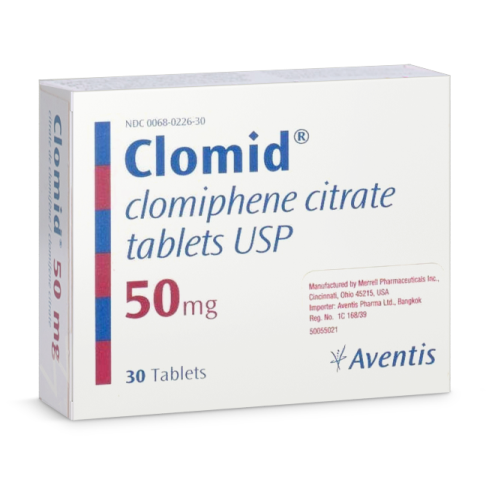
Can Clomid Be Purchased Without a Prescription in the United States?
No, Clomid (clomiphene citrate) is a prescription-only medication in the United States. It cannot be legally obtained without a valid prescription from a licensed healthcare provider. Purchasing or using Clomid without a prescription is both illegal and potentially unsafe.
Key Takeaways: What You Need to Know About Clomid in the United States
- Clomid is only suitable for certain women with specific types of infertility, primarily those with ovulatory dysfunction.
- Results may be seen within one to three cycles, but not all patients will respond to therapy.
- A prescription is mandatory in the United States, and the medication must be obtained from a licensed pharmacy.
- Serious side effects, including ovarian hyperstimulation syndrome, are possible; use only under direct medical supervision.
- Do not attempt to obtain Clomid from unverified or international sources—counterfeits and unsafe products are common.
- Consult a reproductive endocrinologist or fertility specialist before starting therapy.
How Does Clomid Work? Understanding the Mechanism of Action
Clomid (clomiphene citrate) is a selective estrogen receptor modulator (SERM) used to induce ovulation in women who are anovulatory or oligo-ovulatory. At the molecular level, Clomid binds to estrogen receptors in the hypothalamus, acting as an anti-estrogen. This competitive inhibition disrupts normal estrogen feedback, causing the hypothalamus to perceive low estrogen levels.
In response, the hypothalamus increases the release of gonadotropin-releasing hormone (GnRH). This, in turn, stimulates the anterior pituitary to secrete higher amounts of follicle-stimulating hormone (FSH) and luteinizing hormone (LH). As a result, ovarian follicles mature, and ovulation is triggered.
Think of Clomid as a “fake low estrogen signal” to your brain, which causes your body to ramp up its egg-releasing hormones. Clomid is effective only if the ovaries are capable of responding to FSH and LH. It will not work in cases where ovarian reserve is severely diminished or if other fertility issues exist.
Clomid is effective independently of sexual activity, but successful conception requires timed intercourse or assisted reproductive procedures during ovulation.
References: FDA, PubMed, Mayo Clinic
Expert Perspective: Why “Success” with Clomid Is Often Misunderstood
As a reproductive endocrinologist, I frequently encounter patients who assume that taking Clomid will guarantee pregnancy within a single cycle. Many are surprised to learn that ovulation does not automatically lead to conception, and that other factors—such as sperm quality, tubal patency, and underlying hormonal issues—play a crucial role. Some patients also expect to continue Clomid for many months, not realizing that extended use increases risk without improving outcomes. I always encourage my patients to ask about realistic success rates, optimal cycle monitoring, and alternative options if they do not ovulate after several cycles. Open communication about expectations is essential for effective fertility care.
How Should Clomid Be Taken? Dosage, Timing, and Duration
The most common starting dose of Clomid is 50 mg taken once daily for five consecutive days, typically beginning on day 3, 4, or 5 of the menstrual cycle. If ovulation does not occur, the dose may be increased by 50 mg increments in subsequent cycles, up to a maximum of 150 mg per day for five days.
- Maximum dose: 150 mg daily for five days in any single treatment cycle. Exceeding this dose is not recommended due to increased risk of adverse effects and no proven benefit.
- Cycle length: Most patients use Clomid for up to 3–6 cycles. Continuing beyond six cycles is generally not advised.
- Elderly patients: Clomid is not typically indicated for perimenopausal or elderly women, as ovarian reserve is usually significantly reduced.
- Renal or hepatic impairment: Use is contraindicated in patients with liver disease; dose adjustments for mild renal impairment are not well established.
- Splitting tablets: Some formulations are scored and can be split, but always follow your doctor’s instructions and pharmacy guidance.
Peak effect: Ovulation usually occurs 5–10 days after completing the course, but individual timing varies.
Reference: FDA
Does Food, Alcohol, or Lifestyle Affect Clomid’s Effectiveness?
- Food: Clomid can be taken with or without food. Fatty meals do not significantly affect absorption or onset of action.
- Alcohol: There are no known direct interactions, but alcohol may impair fertility and is best avoided during fertility treatment.
- Grapefruit juice: No significant interaction has been documented with clomiphene; however, always consult your doctor before combining medications and certain foods.
- Caffeine: Moderate intake is generally considered safe, but excessive caffeine can affect fertility.
Overall, maintain a healthy lifestyle and avoid substances that negatively impact reproductive health.
Who Should Not Use Clomid? Contraindications and Red Flags
- Absolute Contraindications:
-
- Liver disease (active or past): Clomid is metabolized in the liver, and impaired function increases toxicity risk.
- Ovarian cysts (other than PCOS): Clomid can worsen cysts not related to polycystic ovary syndrome.
- Unexplained abnormal uterine bleeding: Must be evaluated before starting therapy, as it may indicate malignancy.
- Pregnancy: Contraindicated; Clomid is not a fertility medication for women who are pregnant.
- Hypersensitivity to clomiphene or excipients.
- Relative Contraindications (Caution Advised):
-
- Polycystic ovary syndrome (PCOS): Higher risk of ovarian hyperstimulation syndrome—requires close monitoring.
- History of visual disturbances on previous Clomid cycles.
- Thyroid or adrenal dysfunction: These should be corrected before use, as they can interfere with ovulation.
- Breastfeeding: Safety not established.
- Children and men: Clomid is not indicated for use in these populations for infertility treatment.
If you have a history of cardiovascular disease, discuss potential risks with your physician, as fertility treatments can increase the risk of blood clots in some populations.
What Side Effects Are Most Common with Clomid?
Clomid is generally well tolerated, but side effects can occur. According to the World Health Organization and FDA post-marketing surveillance, they are classified as follows:
- Very Common (>10%):
- Hot flashes (due to estrogen antagonism): up to 25%
- Abdominal discomfort
- Bloating
- Breast tenderness
- Common (1–10%):
- Nausea, vomiting
- Headache
- Mood swings or irritability
- Visual disturbances (blurring, spots, flashes)
- Rare (<1%):
- Ovarian hyperstimulation syndrome (OHSS)
- Ovarian cyst rupture or torsion
- Rash or allergic reactions
- Seizure (very rare)
- Very Rare (<0.1%):
- Serious visual impairment (may be permanent if ignored)
- Liver dysfunction
- Thromboembolic events
If you experience sudden or severe abdominal pain, vision changes, difficulty breathing, or signs of a blood clot, stop taking Clomid and seek emergency medical attention immediately.
Common Mistakes Patients Make When Using Clomid—and How to Avoid Them
- Starting Clomid without confirming ovulation disorder: Some patients begin therapy without proper hormonal and diagnostic workup. This leads to unnecessary exposure and disappointment if other fertility issues are present. Always undergo a complete infertility evaluation first.
- Not timing intercourse with ovulation: Clomid induces ovulation, but conception requires intercourse or insemination during the fertile window. Work with your physician to optimize timing.
- Taking more than the prescribed dose or extending treatment cycles: Higher doses do not increase success but do increase risk. Stick to your prescribed regimen and avoid “doubling up.”
- Overlooking side effects or ignoring visual symptoms: Some patients dismiss visual changes as unimportant. Report any unusual side effects, particularly vision changes, immediately to your provider.
- Discontinuing follow-up visits: Monitoring is essential to track follicle development and adjust therapy. Do not skip scheduled ultrasounds or bloodwork.
- Using leftover or shared medication from friends or family: Treatment must be individualized and supervised. Never use someone else’s prescription.
How Does Clomid Compare to Similar Fertility Treatments?
| Medication | Onset of Action | Typical Duration | Common Side Effects | Price (USD, per cycle) | Prescription Required |
|---|---|---|---|---|---|
| Clomid (clomiphene) | Ovulation in 5–10 days after last dose | 5 days per cycle; up to 6 cycles | Hot flashes, bloating, mood swings | $9–$75 (generic), $200–$300 (brand) | Yes |
| Letrozole (Femara) | Ovulation in 5–10 days after last dose | 5 days per cycle; up to 6 cycles | Fatigue, dizziness, headache | $10–$50 (generic), $250–$350 (brand) | Yes |
| Gonadotropin injections (FSH/LH) | Ovulation within days post-injection | Varies; cycle-based | OHSS, injection-site reactions | $1,000–$5,000 | Yes |
Prices are estimates as of 2026 and may vary by region and insurance coverage. Always consult a fertility specialist to determine the most appropriate therapy.
Structured Reference: Clomid Technical and Administration Facts
| Parameter | Value |
|---|---|
| Active Ingredient | Clomiphene citrate |
| Formulation | Oral tablet |
| Dose Strengths | 50 mg (scored), occasionally 100 mg |
| Metabolism | Primarily hepatic (liver) |
| Elimination | Feces (major), urine (minor) |
| Half-life | 5–7 days (may vary with dose and patient factors) |
| Storage | Room temperature, dry place |
Step-by-Step: How to Obtain Clomid Safely in the United States
- Step 1: Schedule a consultation with a reproductive endocrinologist, gynecologist, or primary care provider experienced in infertility.
- Step 2: Undergo a full infertility workup, including hormonal evaluation, ultrasound, and partner assessment if applicable.
- Step 3: If indicated, your provider will prescribe Clomid with individualized dosing instructions.
- Step 4: Fill your prescription at a licensed U.S. pharmacy. Telehealth consultations may be available in some states, but require a valid provider-patient relationship.
- Step 5: Follow your doctor’s monitoring plan, which may include ultrasounds, blood tests, and ovulation tracking.
- Step 6: Return for follow-up visits to assess effectiveness and discuss next steps if conception does not occur after several cycles.
Clomid and Other Medications: Compatibility Checklist
| Type of Product | Can It Be Combined? | Possible Consequences |
|---|---|---|
| Prenatal vitamins | Yes | No significant interaction |
| Metformin | Yes (often combined in PCOS) | May improve ovulation rates |
| Hormonal contraceptives | No (should be discontinued) | Blocks intended effect |
| Alcohol | Not recommended | May impair fertility |
| Grapefruit juice | Generally safe | No significant interaction reported |
Myth vs. Reality: Common Misconceptions About Clomid
- Myth: Clomid always leads to pregnancy in the first cycle.
Reality: Most women require more than one cycle; some may not respond at all. - Myth: Clomid is safe to take for many months or years.
Reality: Extended use increases risks and is not recommended beyond six cycles. - Myth: Higher doses increase the chance of conception.
Reality: Doses above 150 mg daily do not improve success and add risk.
Pharmacokinetics: How Clomid Is Processed and Eliminated from the Body
Clomid is absorbed orally, reaching peak plasma concentrations within 5–7 hours. It undergoes hepatic metabolism, primarily via the liver’s cytochrome P450 system. Metabolites are excreted mainly through the feces; a smaller amount is eliminated in urine. The half-life of Clomid and its active isomers ranges from 5 to 7 days, but remnants can persist in the body for several weeks due to enterohepatic recirculation.
Implications: Patients with liver disease should not use Clomid. Those with mild renal impairment generally do not require dose adjustment, but safety is not fully established due to limited data.
Special Populations: Use of Clomid in Unique Patient Groups
- Women with PCOS: Clomid is effective, but careful monitoring is needed due to higher OHSS risk. Combination with metformin may be considered.
- Women over 35: Success rates decrease as ovarian reserve declines. Clomid may be less effective in this group.
- Patients with metabolic or cardiovascular conditions: Discuss risks with your physician, especially if you have a history of blood clots or stroke.
- Driving and machinery: Visual side effects are rare but may impair activities requiring clear vision. Exercise caution.
- Family planning: Clomid increases the chance of twins or higher multiple births (estimated at 7–10% risk). Discuss implications with your provider.
Original vs. Generic Clomid: What’s the Difference?
The patent for Clomid has expired, so both original (brand-name) and generic formulations are widely available in the United States. Generics contain clomiphene citrate as the active ingredient, but may differ in color, shape, or excipients (inactive ingredients such as fillers or dyes).
- Effectiveness: Generics approved by the FDA are considered bioequivalent to branded Clomid.
- Cost: Generics are typically much less expensive, with similar safety and efficacy.
- Allergies: Rarely, patients may react to a dye or filler in the generic version. If you have known allergies, inform your pharmacist.
Bottom line: For most patients, FDA-approved generics are a safe and affordable alternative to brand-name Clomid.
Quality Assurance: How to Recognize Genuine Clomid in the United States
- Packaging: Original Clomid and FDA-approved generics are dispensed in sealed pharmacy bottles or manufacturer blisters, often with the manufacturer’s name, lot number, and expiration date clearly visible.
- Pill Appearance: Tablets are typically white or off-white, round, and may have a score line. Engravings or imprints should match those described by the pharmacy.
- Verification Features: U.S. pharmacies may provide medication guides or QR codes for authenticity. Packaging should not have foreign language labeling or suspicious misspellings.
- Price: A price far below the typical U.S. pharmacy cost is a strong warning sign of counterfeit or imported medication.
- Never use loose tablets from unknown sources, and avoid “grey market” imports advertised online.
How to Avoid Unsafe Online Pharmacies in the United States
- Verified websites: Use online pharmacies certified by the National Association of Boards of Pharmacy (NABP) and look for the .pharmacy domain.
- Red flags: Sites offering Clomid without prescription, no pharmacist contact, or prices dramatically below market value are not legitimate.
- Consumer protection: Licensed U.S. pharmacies are subject to FDA regulation, offer traceability, and ensure product quality. Unregulated sellers may ship counterfeit or unsafe drugs.
- Always require a prescription, and never purchase from a source that claims to “bypass” this requirement.
What Should I Do if I Suspect a Counterfeit Clomid Product?
- Do not use the medication. Bring it to your pharmacist for verification.
- Contact the FDA’s MedWatch program to report suspected counterfeit drugs.
- Purchase only from licensed U.S. pharmacies or trusted telehealth providers.
- Generics are safe if dispensed by a U.S. pharmacy; imported “generic” Clomid from unknown sources is not guaranteed safe or effective.
Overdose: What to Do if Too Much Clomid Is Taken
- Stop taking Clomid immediately.
- Contact your healthcare provider or call Poison Control at 1-800-222-1222.
- If severe symptoms occur (e.g., vision loss, abdominal pain, difficulty breathing), call 911 or go to the nearest emergency room.
- Provide details about the dose and timing to medical staff.
- Do not attempt to self-treat or delay emergency care.
Empathy and Psychological Support: You’re Not Alone
Infertility affects millions in the United States and is a common, often emotionally challenging experience. If you’re struggling, know that support is available—from your healthcare team, support groups, or mental health professionals. Discussing your concerns openly with your partner and provider can help you navigate the journey together.
Questions Patients Frequently Ask About Clomid: Answers from a Fertility Specialist
- How quickly can I expect to ovulate after starting Clomid?
- Most women will ovulate between 5 and 10 days after completing the 5-day course. Ovulation timing can vary, so tracking with ovulation predictor kits or ultrasound may help confirm the window for conception.
- If I have regular periods, can Clomid still help me conceive?
- Clomid is most effective for women with ovulation problems. If your cycles are regular but you’re not conceiving, other factors (such as tubal or male issues) may be involved. Additional testing is recommended before starting Clomid.
- Is monitoring with ultrasound really necessary?
- While not always mandatory, monitoring can optimize timing, confirm ovulation, and reduce the risk of multiple pregnancies or ovarian hyperstimulation. Your physician will tailor the monitoring plan to your needs and risks.
- What happens if I don’t ovulate on the starting dose?
- If ovulation does not occur, your provider may increase the dose in the next cycle or consider alternative therapies. Do not increase the dose on your own.
- Can Clomid be used with other fertility treatments?
- Yes, Clomid is sometimes combined with other agents, like metformin for PCOS, or used as part of intrauterine insemination (IUI) protocols. Your doctor will recommend the best approach for your situation.
- How do we decide when it’s time to switch to another treatment?
- If there is no ovulation or pregnancy after several cycles, or if side effects are significant, your provider may recommend moving to letrozole, gonadotropins, or assisted reproductive techniques such as IVF.
Frequently Asked Questions About Clomid in the United States
Is Clomid effective for all types of infertility?
No; Clomid is most effective for women with ovulatory dysfunction. It is not helpful if infertility is due to blocked fallopian tubes, severe male factor, or diminished ovarian reserve.
How much does Clomid cost in the United States?
Generic clomiphene is generally $9–$75 per cycle depending on the pharmacy and insurance. Brand-name Clomid can cost $200–$300 per cycle. Prices vary by state and insurance coverage.
Can I get Clomid online in the United States?
Yes, but only from licensed telehealth providers who require a legitimate consultation and prescription. Avoid websites offering Clomid without a prescription, as these are illegal and unsafe.
What are the risks of multiple pregnancies with Clomid?
The risk of twins is approximately 7–10%; higher-order multiples are rare but possible. Your doctor will monitor follicle development to minimize this risk.
How long can I safely use Clomid?
Most guidelines recommend limiting Clomid to a maximum of six cycles. Prolonged use does not improve pregnancy rates and increases risk of ovarian cysts and other complications.
Do I need special tests before starting Clomid?
Yes; a thorough infertility workup, including hormonal, uterine, and tubal evaluation, is recommended to confirm that Clomid is appropriate for your case.
Can men use Clomid for infertility?
While clomiphene is sometimes used off-label in male infertility, this is outside FDA-approved indications. Men interested in this therapy should consult a reproductive urologist.
Does insurance cover Clomid?
Coverage varies by insurer and state. Some plans cover Clomid prescriptions, while others may not. Check your policy or ask your pharmacy for details.
How do I store Clomid?
Store at room temperature, away from moisture and direct light, and keep out of reach of children.
Can I use Clomid while breastfeeding?
Clomid is not recommended during breastfeeding, as its safety in lactation has not been established.
Clinical Assessment by Doctor: Who Benefits Most from Clomid—And Who Should Consider Alternatives?
In my clinical practice, Clomid is most beneficial for women under 35 with confirmed ovulatory disorders and normal uterine and tubal anatomy. It is particularly advantageous for those with PCOS, provided that careful monitoring is performed to reduce the risk of ovarian hyperstimulation and multiple gestations. Patients with regular cycles but unexplained infertility may be less likely to benefit, and those with diminished ovarian reserve, tubal blockage, or significant male factor infertility are unlikely to conceive with Clomid alone. In such cases, alternative therapies—like letrozole, gonadotropin injections, or assisted reproductive technologies—may be more appropriate. I always reassess ovulatory response after one or two cycles and adjust the treatment plan promptly if there is no response, keeping patient safety and emotional well-being at the forefront of decision-making.
References
- U.S. Food and Drug Administration (FDA), “Clomiphene Citrate Label Information,” https://www.fda.gov/
- Mayo Clinic, “Clomiphene for female infertility,” https://www.mayoclinic.org/
- National Institutes of Health, MedlinePlus, “Clomiphene,” https://medlineplus.gov/druginfo/meds/a682704.html
- PubMed, “Clomiphene citrate in ovulation induction: a current perspective,” https://pubmed.ncbi.nlm.nih.gov/
- World Health Organization (WHO), Essential Medicines List, “Clomiphene Citrate,” https://www.who.int/
- American Society for Reproductive Medicine (ASRM), “Clomiphene Citrate: A Guide for Patients,” https://www.asrm.org/
- National Association of Boards of Pharmacy (NABP), Safe.Pharmacy, https://safe.pharmacy/