- Home/
- Buy Rybelsus at Low Price Online in the United States
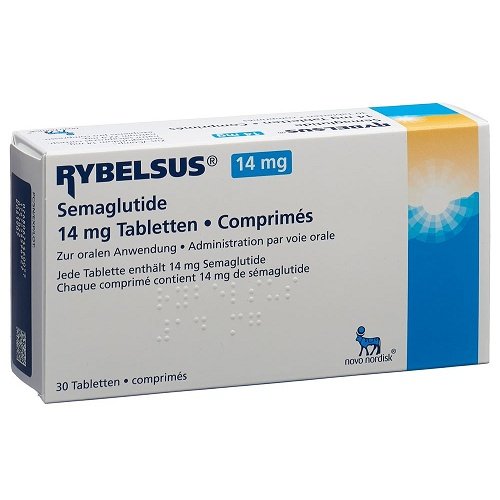
Rybelsus (semaglutide) is a once-daily oral tablet for adults with type 2 diabetes who need more than diet, exercise, and metformin to control their blood sugar. What sets Rybelsus apart is that it brings the power of a GLP-1 medication—until recently, only available as an injection—into a pill, but it is not right for everyone, and starting it means understanding both its benefits and its unique risks.
Why Rybelsus Matters Now: The Shift from Injections to Pills in Type 2 Diabetes
Picture this: a patient sits in the exam room, dreading the word “injection.” For years, that was the price of adding a GLP-1 medication to their type 2 diabetes regimen. Rybelsus broke that pattern. Suddenly, a once-daily pill could offer benefits similar to some injectable drugs—weight loss, A1C reduction, even potential heart protection for those at risk.
But swapping a shot for a pill isn’t just about comfort. It’s a clinical shift. For people struggling to start, tolerate, or afford injectable GLP-1 drugs, Rybelsus opens a new path. And for the first time, the advantages of semaglutide—the active ingredient in both Rybelsus and Ozempic—are available in a form that fits more easily into daily life. It’s a small tablet, but it’s a big move in diabetes care.
Clinical Pearl: Rybelsus isn’t a “milder” or “beginner” version of injectable GLP-1s. Its effects are real, but its pill form comes with strict rules to get results.
Not every patient will get the same benefit. The evidence is clear: Rybelsus can lower A1C by about 1% on average, and many lose weight. But some people struggle with stomach side effects or find the daily routine harder than expected.
What matters most: Rybelsus is not just a new way to take an old medicine. It’s a test of whether the convenience of a pill can deliver the power of a shot. For some, it’s a breakthrough. For others, a disappointment. The difference is in the details.
- Clinical Guideline Fact:
- The American Diabetes Association recommends GLP-1 receptor agonists—including oral semaglutide (Rybelsus)—as a key option for people with type 2 diabetes and high cardiovascular risk who have not reached their A1C goal with metformin. (ADA)
Does Rybelsus Fit Me? Who Benefits Most—and Who Should Avoid It
Choosing Rybelsus is not just about wanting to avoid needles. It’s about matching the right medication to the right patient. So, who actually does best with Rybelsus, and who should steer clear?
- Best fit: Adults with type 2 diabetes who need stronger A1C reduction, are overweight or obese, and who cannot or do not want to use injectable GLP-1s. Rybelsus is often used after metformin, especially when weight loss is a priority.
- Consider with caution: People with a history of diabetic retinopathy, as rapid improvement in blood sugar can sometimes worsen eye disease. Patients with a history of pancreatitis or certain gastrointestinal problems may need an alternative.
- Not for: Anyone with type 1 diabetes, children, those with medullary thyroid carcinoma (personal or family history), or patients with Multiple Endocrine Neoplasia syndrome type 2.
Absolute and Relative Contraindications to Rybelsus
- Have a personal or family history of medullary thyroid cancer
- Have Multiple Endocrine Neoplasia syndrome type 2
- Are allergic to semaglutide or any component of Rybelsus
- Are under 18 or have type 1 diabetes
- Are pregnant or planning pregnancy (insufficient safety data)
- Have a history of pancreatitis or severe gastrointestinal disease
- Have diabetic retinopathy (talk to your eye doctor before starting)
- Have kidney problems (stomach side effects can lead to dehydration)
- Are breastfeeding (not well studied)
When in doubt, ask your healthcare provider. Clinical judgment matters more than any list—no matter how official.
For people who fit, Rybelsus can be life-changing. For those who don’t, starting it could mean unnecessary risk or disappointment. This is where the partnership with your doctor is critical: individual risk, other medications, and personal goals all shape the decision.
How Rybelsus Works—Beyond the Label
Semaglutide, the active ingredient in Rybelsus, mimics a natural hormone called GLP-1. This hormone signals your pancreas to release more insulin when you eat, tells your liver to make less sugar, and slows how fast food leaves your stomach. That’s the textbook answer.
In real life, the effects ripple out. Most patients notice smaller appetite, feel full faster, and—sometimes—lose significant weight. Blood sugar doesn’t spike and crash as sharply. But it’s not instant: A1C typically falls over weeks to months, not days.
- GLP-1 Receptor Agonist
- A class of medicines that activate the GLP-1 receptor—helping the body release insulin, lower blood sugar, and often promote weight loss. Rybelsus is the first oral GLP-1 agonist approved in the United States.
What sets Rybelsus apart from injectable semaglutide (Ozempic) or other GLP-1 drugs? Absorption. The pill must be taken on an empty stomach, with a sip of water, and then you wait 30 minutes before eating or drinking anything else. Miss that window, and you may get only a fraction of the drug’s effect.
The science is clear: oral semaglutide works, but not always as strongly as the injectable form. Yet for many, the difference is small, and the tradeoff in convenience is worth it.
- No hypoglycemia (low blood sugar): Unlike sulfonylureas or insulin, Rybelsus rarely causes low sugar unless taken with other diabetes meds.
- Weight loss, not gain: Most patients lose 5-10 pounds or more over several months.
- Heart benefit: Evidence from trials suggests semaglutide may reduce major cardiovascular events in high-risk patients.
- Stomach side effects: Nausea, sometimes vomiting or diarrhea, are the flip side of appetite reduction.
Taking Rybelsus Correctly: The Details That Make or Break Your Results
The difference between success and disappointment with Rybelsus often comes down to how you take it—not just that you take it. This isn’t a pill you can swallow with your morning coffee and move on.
- Take Rybelsus first thing in the morning. Swallow it whole with no more than 4 ounces (about half a cup) of plain water—no food, juice, or coffee.
- Wait at least 30 minutes before eating, drinking, or taking any other medication. This “empty window” is critical. Even small deviations can reduce absorption and blunt the drug’s effect.
- Do not split, chew, or crush the tablet. Rybelsus is designed to survive stomach acid and reach the intestine for absorption. Breaking it defeats the chemistry that makes the pill work.
- If you forget to take it, skip the missed dose. Do not double up the next day. Resume your regular schedule.
If stomach upset is severe or persistent, talk to your healthcare provider. Often, starting at the lower 3 mg dose for a month before moving up can help your body adjust.
| Step | Dosage | Duration | Purpose |
|---|---|---|---|
| Start | 3 mg once daily | First 30 days | Allow body to adjust, minimize nausea |
| Increase | 7 mg once daily | After 30 days | Main long-term dose for most patients |
| Maximize | 14 mg once daily | If further A1C reduction needed | Some patients require higher dose for full effect |
Not everyone needs the highest dose. Your provider will tailor the step-up based on your blood sugar, side effects, and goals.
Which Side Effects Matter Most with Rybelsus—and When to Act
Most people starting Rybelsus expect some stomach trouble. What surprises many is how much the side effects can vary—and which ones are worth worrying about.
| Common (often mild & self-limited) | Serious (rare but urgent) |
|---|---|
|
Nausea Vomiting Diarrhea Stomach pain Decreased appetite |
Persistent severe abdominal pain (pancreatitis) Vision changes (worsening retinopathy) Signs of dehydration (kidney risk) Lump or swelling in neck (thyroid tumor risk, extremely rare) |
Most side effects start soon after beginning or increasing the dose, and fade over time. But some patients never fully tolerate the stomach effects and need to switch. The biggest mistake? Ignoring warning signs because you assume all side effects are normal.
| Side Effect | How Common? | When to Contact a Doctor |
|---|---|---|
| Nausea | Very common (up to 20-30%) | If persistent, severe, or prevents eating/drinking |
| Vomiting | Common | If ongoing or leads to signs of dehydration |
| Diarrhea | Common | If persistent, severe, or blood in stool |
| Abdominal pain | Fairly common | If severe, sudden, or doesn’t go away (possible pancreatitis) |
| Vision changes | Uncommon | If you notice new or rapidly worsening vision loss |
| Neck lump/swelling | Very rare | Immediately—possible thyroid tumor risk |
| Signs of low blood sugar | Rare alone, more likely with other meds | If shaky, confused, or faint—treat low sugar, call provider |
If you’re unsure whether what you’re feeling is normal—call. Many problems are manageable early, but dangerous if ignored.
Rybelsus vs. Other Diabetes Medications: The Real Clinical Differences
The question for many isn’t “Can Rybelsus work?” but “Is it better—or at least different—than my other options?” Here’s where clinical nuance matters. Rybelsus is not just an oral version of every injectable, nor is it a substitute for metformin or insulin in all situations.
| Rybelsus (Semaglutide, oral) |
Ozempic (Semaglutide, injectable) |
Jardiance (Empagliflozin, oral) |
Metformin (oral) |
|
|---|---|---|---|---|
| How taken | Pill, once daily, empty stomach | Injection, once weekly | Pill, once daily, with/without food | Pill, once or twice daily, with food |
| Class/Mechanism | GLP-1 receptor agonist | GLP-1 receptor agonist | SGLT2 inhibitor | Biguanide |
| A1C lowering | ~1.0-1.3% | ~1.2-1.8% | ~0.6-0.8% | ~1.0-1.5% |
| Weight change | Loss (5-10 lbs typical) | Loss (10+ lbs typical) | Loss (modest) | Neutral/loss (modest) |
| Cardiovascular benefit | Yes (CVOT evidence, but less than injectable) | Yes (strongest evidence in class) | Yes (heart & kidney protection) | Possible, but not primary use |
| Major side effects | GI: nausea, diarrhea | GI: nausea, diarrhea | UTI, genital infection, dehydration | GI upset, B12 deficiency (long-term) |
| Contraindications | Medullary thyroid cancer, MEN2, pancreatitis | Same as Rybelsus | Advanced kidney disease | Severe kidney/liver disease |
| US prescription? | Yes | Yes | Yes | Yes |
| Typical cost* | High (branded only, insurance varies) | High (branded only, insurance varies) | High (branded, generics emerging) | Low (generic) |
*Costs vary widely depending on insurance, copay, and pharmacy. For Rybelsus, savings cards and assistance programs are sometimes available through the manufacturer.
What does this mean for you? Rybelsus offers a unique blend: nearly the effectiveness of an injection, with the convenience of a pill—but with more strict dosing routines and sometimes higher out-of-pocket costs than older oral drugs. It stands apart from other oral diabetes drugs by combining real weight loss, A1C reduction, and some heart benefit—but it’s not as potent as the highest-dose injectable GLP-1s, and not the first choice for those with kidney failure.
Clinical Perspective (doctor):“In practice, I see Rybelsus work best for patients who are motivated to take it exactly as prescribed—and who need more than metformin, but aren’t ready or able to start an injection. It’s not a magic bullet, and if the morning routine slips, the benefit may be less than expected. I spend extra time upfront making sure patients know this difference, because disappointment is preventable.”
Accessing Rybelsus in the United States: What to Expect
Getting a prescription for Rybelsus is not as simple as asking for a new pill. This medication is only available with a doctor’s prescription in the United States, and most providers will want to see you in person (or via telehealth) before starting.
- Discuss with your primary care provider or endocrinologist—most will want to confirm your A1C, current meds, and kidney/liver function before prescribing.
- Insurance review—most health plans cover Rybelsus for adults with type 2 diabetes, but prior authorization or proof of metformin failure may be required.
- Pharmacy pickup—Rybelsus is stocked at most major US retail pharmacies, but supply can vary. Some mail-order pharmacies can deliver it to your home.
- Manufacturer savings—Novo Nordisk often provides copay cards or patient assistance for those with commercial insurance or financial need. Check the official site for eligibility: Rybelsus Savings.
Expect your pharmacist to counsel you on the unique “morning routine” required for Rybelsus. They may ask about your other medications, as drug interactions (especially with thyroid replacement or certain antibiotics) are possible, though uncommon.
Out-of-pocket costs can be significant without insurance—often over $800/month as of early 2024. Coverage and copays change frequently in the United States, so verify with your insurance and ask about manufacturer support if needed. Medicaid and Medicare Part D plans may cover it, but restrictions and prior auths are common.
- Bring your medication list to appointments. Drug interactions are rare but possible—your provider needs to see the whole picture.
- Ask about follow-up labs. Kidney and liver function, plus A1C, will need monitoring during treatment.
- Save receipts and explanation of benefits. Appeals for coverage are easier with documentation.
FAQ: Rybelsus—Answers to Questions Patients Actually Ask
- If I miss my Rybelsus dose, can I take it later in the day?
- No. If you miss your usual morning dose, skip it and resume the next day. Taking it late or with food will reduce its effect. Never double up to “catch up.”
- How soon will I see results with Rybelsus?
- Most people see blood sugar improvements within a few weeks, but full A1C reduction may take 8-12 weeks (or longer). Weight loss is often gradual, starting after the first month.
- Does Rybelsus cause low blood sugar?
- Rarely on its own. However, if taken with insulin or sulfonylureas, the risk increases. If you feel shaky or confused, treat for low blood sugar and call your provider for guidance.
- Can I take Rybelsus with my other diabetes medications?
- Usually yes, but adjustments may be needed (especially with insulin or glipizide/glyburide). Always review your medication list with your provider and pharmacist.
- Will my insurance cover Rybelsus?
- Coverage varies by plan. Many commercial insurers cover it, but often after metformin and sometimes after trying other oral drugs. Medicaid and Medicare coverage exists, but may require prior authorization.
- What if Rybelsus doesn’t lower my blood sugar enough?
- Your provider may increase the dose, check your routine, or switch you to an injectable GLP-1 or another drug. Sticking to the empty-stomach rule is crucial before deciding it “doesn’t work.”
- Is there a generic version of Rybelsus?
- No, as of 2024, only the branded version is available in the US. This means out-of-pocket costs are higher than older, generic diabetes pills.
- Can I use Rybelsus for weight loss if I don’t have diabetes?
- No. Rybelsus is only FDA-approved for type 2 diabetes. Its use solely for weight loss is not recommended or covered by insurance.
- How do I store Rybelsus?
- Store tablets at room temperature. Keep them in the original container until use. Moisture and heat can degrade the medication.
References
- U.S. Food & Drug Administration (FDA)—Drug Approvals and Databases
- Rybelsus (semaglutide) Prescribing Information—Novo Nordisk, 2023
- American Diabetes Association (ADA)—Professional Resources
- Mayo Clinic—Type 2 Diabetes: Treatment and Drugs
- National Institute of Diabetes and Digestive and Kidney Diseases (NIDDK)—Managing Diabetes: Medications
- PubMed—Semaglutide Clinical Trials
- Rybelsus Official Website—Novo Nordisk
- Centers for Disease Control and Prevention—Managing Diabetes: Medication